









Products
Navigation
Reactive Dyes (Reaction Dyes)
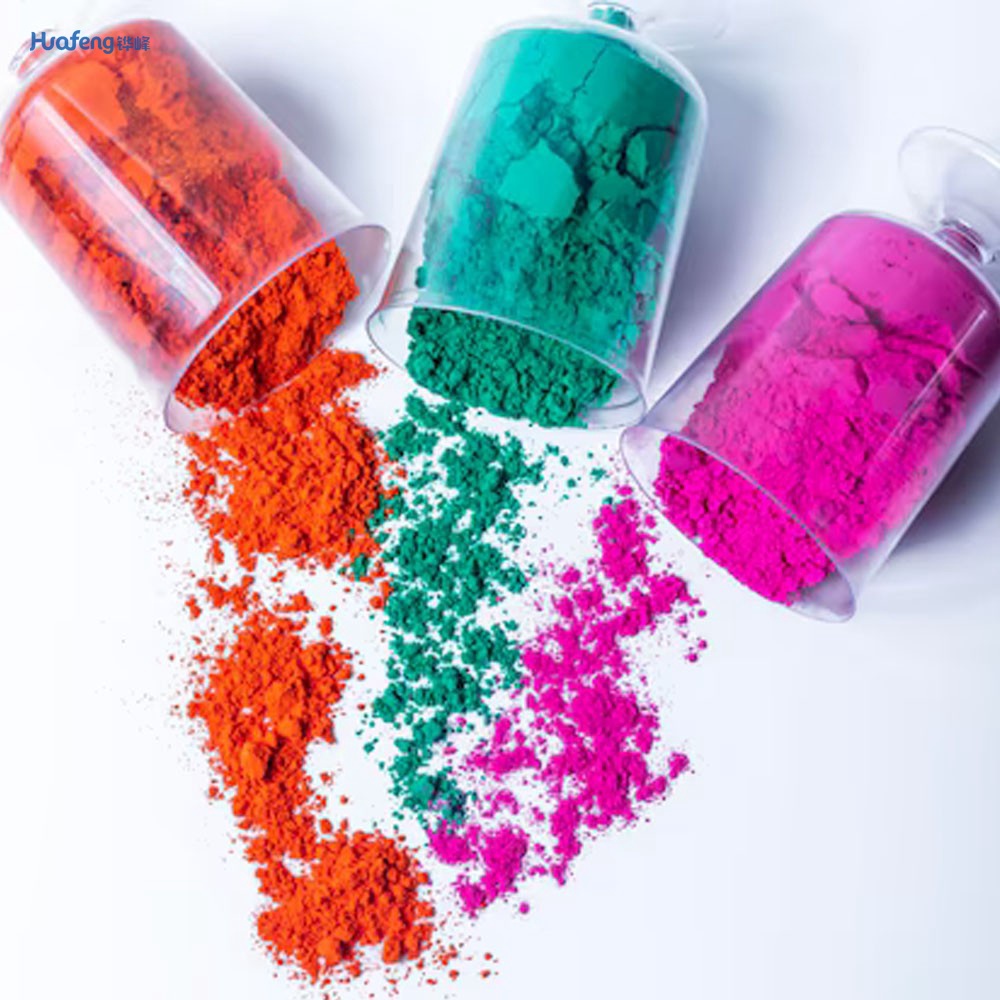
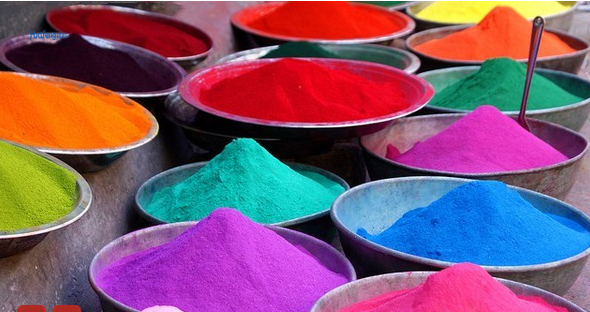
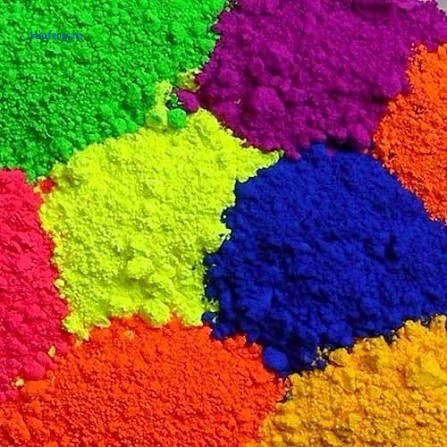
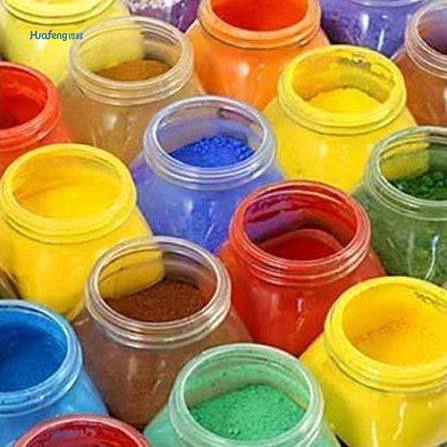
Reactive dyes are the industry standard for dyeing cellulosic fibers and are one of the most widely used and extensively applied dye categories in dyeing and printing cotton, linen, viscose, and other fibers.
Product Description
Reactive dyes bind to fibers through covalent bonds and are currently the only textile dye category capable of forming covalent bonds with the substrate during application. Therefore, they possess superior wet fastness (wash and rubbing fastness can reach grade 4-5) unmatched by other dyes. Based on the reactive group, they can be classified into X-type (low temperature), K-type (high temperature), KN-type (medium temperature), and dual-reactive group types, etc., offering a complete color spectrum, bright colors, good leveling properties, and simple dyeing methods. Products cover the full color spectrum, including yellow, orange, red, purple, blue, turquoise, brown, gray, and black. Small-batch trial orders and customized packaging are supported. Relying on major ports such as Qingdao Port, Tianjin Port, and Shanghai Port, exports are efficient and worry-free throughout the entire process.
Product Information
Factory Showcase

Quality Control Lab

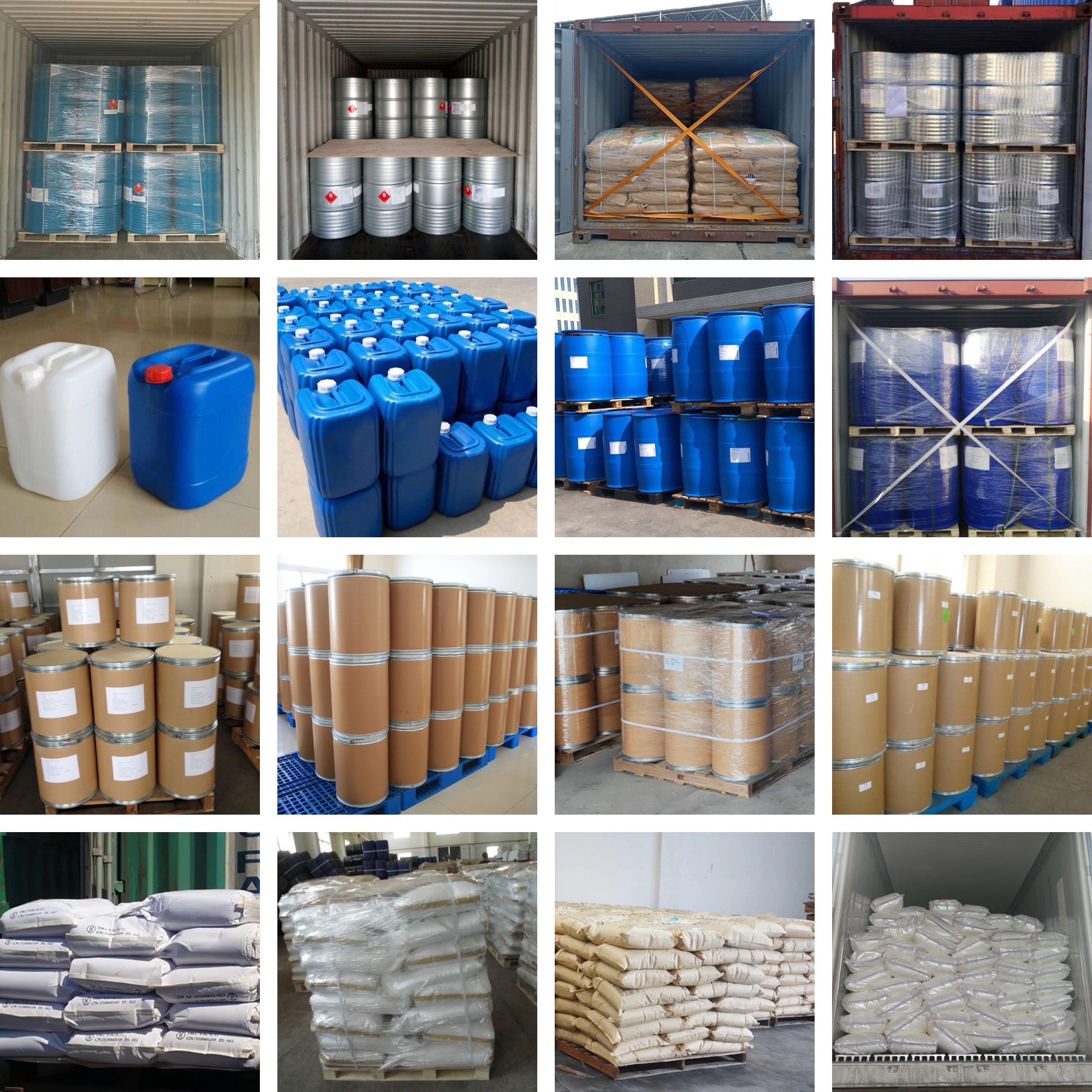
Shipping And Transportation
FAQ
Q1: Is Huafeng Chemical a manufacturer or a trader?
A: We are a professional service provider specializing in chemical foreign trade. Rather than being limited to the products of a single factory, we leverage the chemical industry cluster in Shandong Province to integrate production resources from multiple high-quality manufacturers. This allows us to offer a wide range of sourcing options—covering various product categories and origins—instead of simply pushing a single product. Furthermore, our core competitiveness lies in our professional foreign trade services (covering documentation, logistics, and regulatory compliance), ensuring a smooth and worry-free procurement process for you.
Q2: How is the security of my transaction guaranteed when working with Huafeng Chemical?
A: We strictly adhere to international trade rules (Incoterms® 2020) and accept various payment methods, such as Letters of Credit (L/C) and Telegraphic Transfers (T/T). For new clients, we support small-batch trial orders and can clearly define arbitration clauses and applicable laws within the contract. Additionally, we maintain a robust risk management system to help you mitigate common trade risks, such as exchange rate fluctuations, shipping delays, and document discrepancies.
Q3: Do you have experience serving clients in Russian-speaking regions?
A: Yes. We place great importance on the Russian-speaking market; our team includes Russian-speaking business professionals who are well-versed in the import regulations of Russia and the Eurasian Economic Union (EAEU). We understand the importance of EAC certification to clients in these regions and can assist with related compliance inquiries. We have established connections with chemical traders across various CIS countries and have gained valuable experience in specialized packaging and temperature-controlled shipping designed to withstand harsh local winter conditions.
Q4: How do you guarantee product quality?
A: We implement a strict supplier qualification and periodic audit system. A Certificate of Analysis (COA)—issued by the original manufacturer—is provided with every shipment. We also welcome pre-shipment inspections conducted by internationally recognized third-party agencies such as SGS, BV, or ITS. Should the test results fail to meet the standards specified in the contract, you have the right to reject the goods or request a replacement.
Contact Us
Recommendation
Send Us Your Inquiry Today
