









Products
Navigation
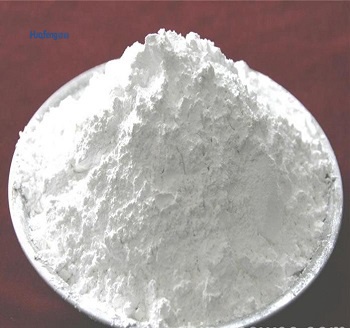
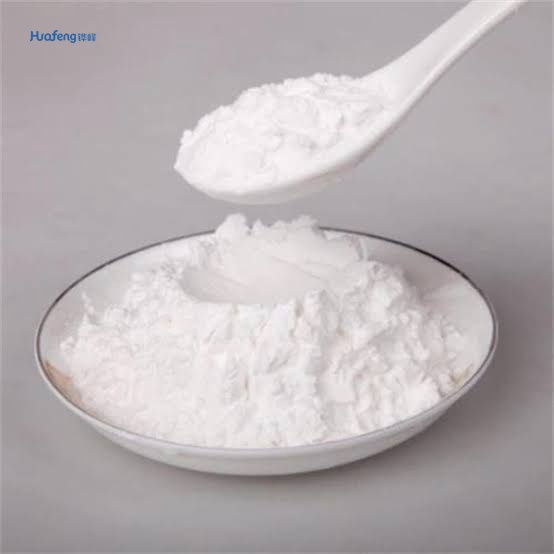
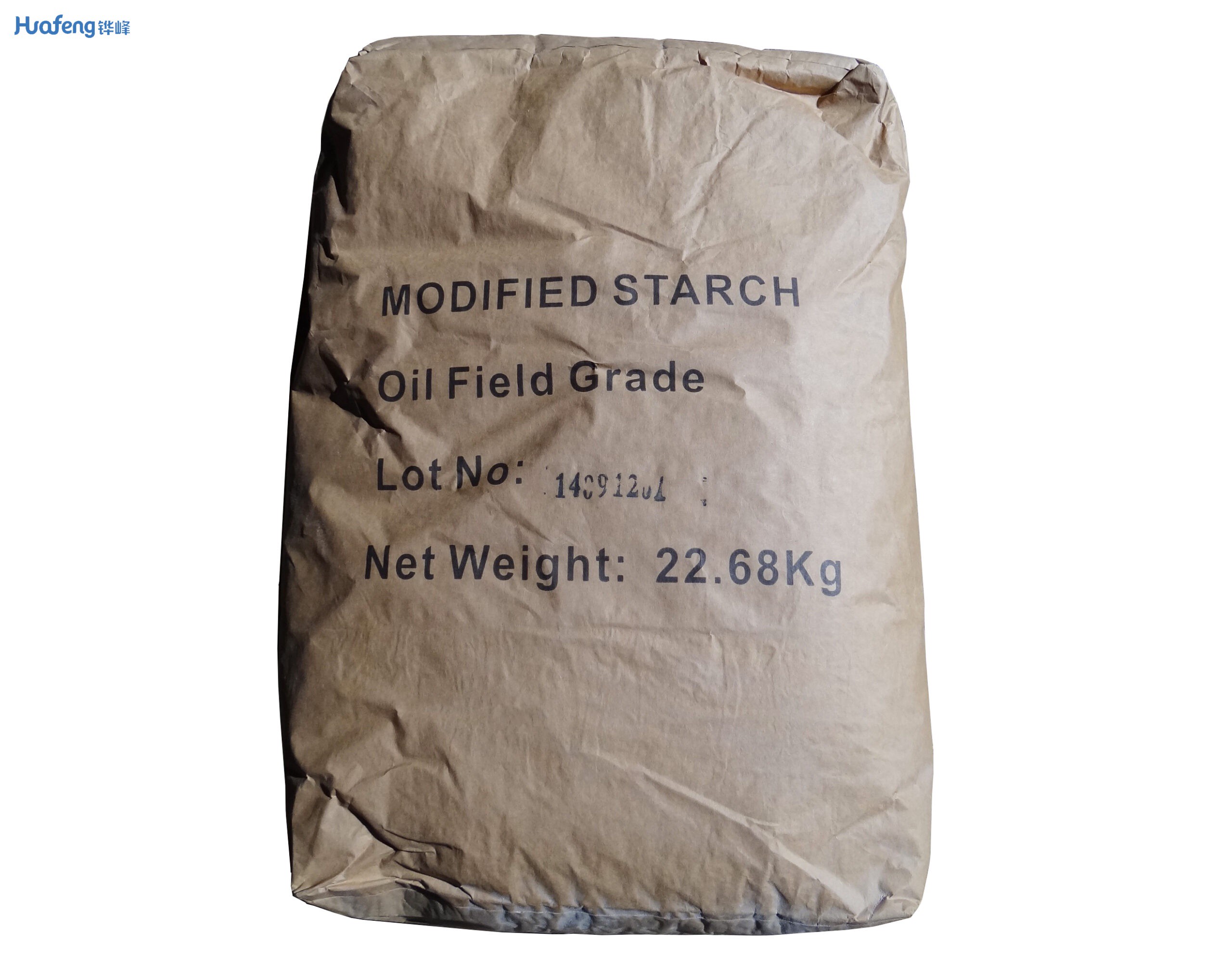
Oilfield/Industrial Grade Modified Starch
Modified starch is a functional starch derivative obtained by physical, chemical, or enzymatic modification of natural starch. Through different modification methods, it endows starch with various functional properties such as thickening, binding, water retention, film formation, and reduced filtration loss. It is widely used in more than twenty industries, including textiles, building materials, daily chemicals, pharmaceuticals, and oil fields.
Product Description
The product series covers a full range of categories, including textiles (oxidized starch, esterified starch, etherified starch, grafted starch), building materials (pregelatinized starch, hydroxypropyl starch ether, cooked starch powder), daily chemicals/pharmaceuticals (hydroxypropyl starch, oxidized hydroxypropyl starch, cationic starch), and oil field/industrials (pregelatinized starch, etherified starch, graft copolymer starch, high-temperature resistant modified starch), meeting the diverse needs of customers in different industries. Each product strictly adheres to relevant industry standards, supports small-batch trial orders and customized packaging, and leverages major ports such as Qingdao Port, Tianjin Port, and Shanghai Port for efficient and worry-free export.
Product Information
Factory Showcase
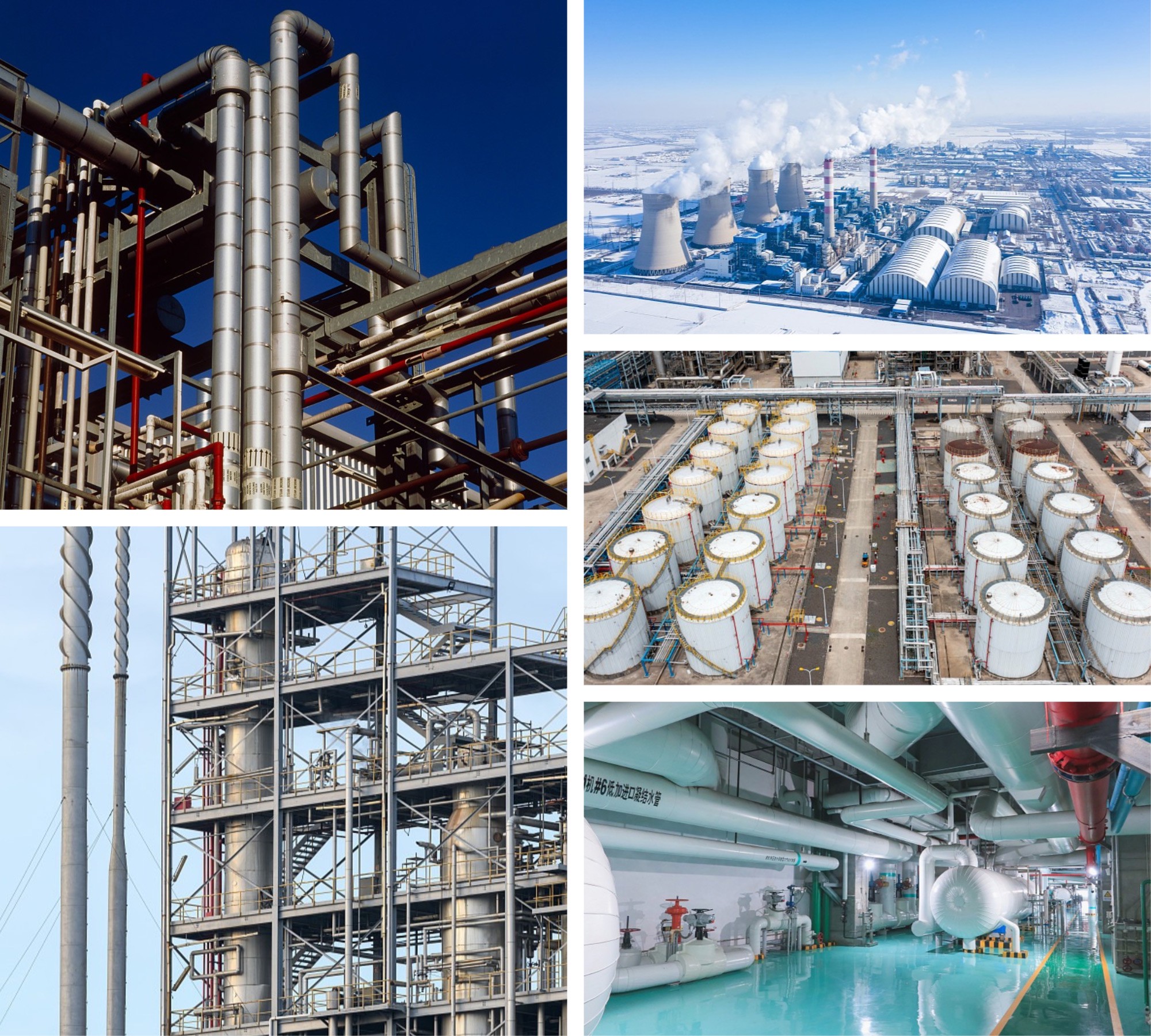
Quality Control Lab

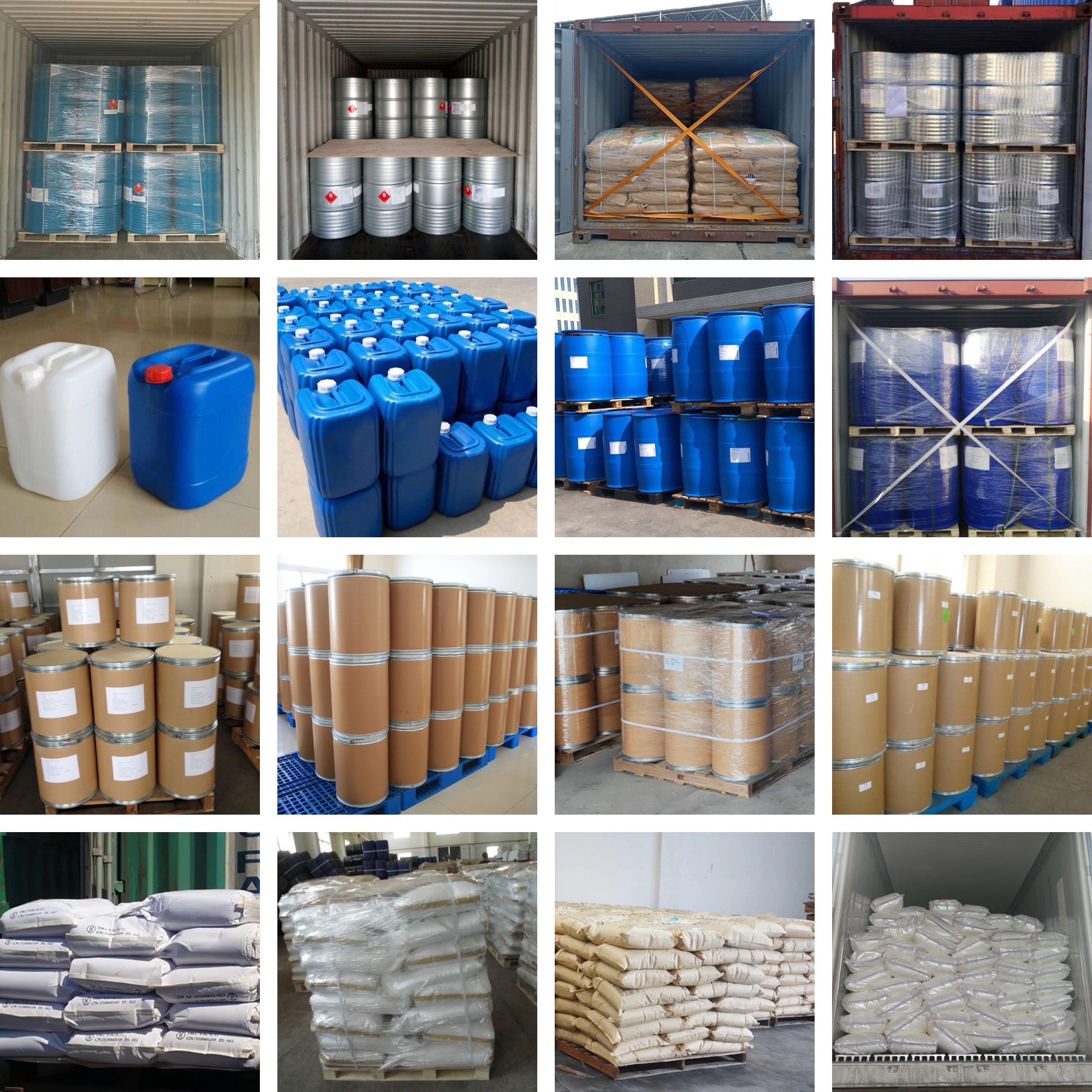
Shipping And Transportation
FAQ
Q1: Is Huafeng Chemical a manufacturer or a trader?
A: We are a professional service provider specializing in chemical foreign trade. Rather than being limited to the products of a single factory, we leverage the chemical industry cluster in Shandong Province to integrate production resources from multiple high-quality manufacturers. This allows us to offer a wide range of sourcing options—covering various product categories and origins—instead of simply pushing a single product. Furthermore, our core competitiveness lies in our professional foreign trade services (covering documentation, logistics, and regulatory compliance), ensuring a smooth and worry-free procurement process for you.
Q2: How is the security of my transaction guaranteed when working with Huafeng Chemical?
A: We strictly adhere to international trade rules (Incoterms® 2020) and accept various payment methods, such as Letters of Credit (L/C) and Telegraphic Transfers (T/T). For new clients, we support small-batch trial orders and can clearly define arbitration clauses and applicable laws within the contract. Additionally, we maintain a robust risk management system to help you mitigate common trade risks, such as exchange rate fluctuations, shipping delays, and document discrepancies.
Q3: Do you have experience serving clients in Russian-speaking regions?
A: Yes. We place great importance on the Russian-speaking market; our team includes Russian-speaking business professionals who are well-versed in the import regulations of Russia and the Eurasian Economic Union (EAEU). We understand the importance of EAC certification to clients in these regions and can assist with related compliance inquiries. We have established connections with chemical traders across various CIS countries and have gained valuable experience in specialized packaging and temperature-controlled shipping designed to withstand harsh local winter conditions.
Q4: How do you guarantee product quality?
A: We implement a strict supplier qualification and periodic audit system. A Certificate of Analysis (COA)—issued by the original manufacturer—is provided with every shipment. We also welcome pre-shipment inspections conducted by internationally recognized third-party agencies such as SGS, BV, or ITS. Should the test results fail to meet the standards specified in the contract, you have the right to reject the goods or request a replacement.
Contact Us
Recommendation
Send Us Your Inquiry Today
