




Modified Starch for Papermaking

Modified starch for papermaking is one of the most widely used and consumed functional additives in the paper industry, ranking third among papermaking raw materials after fiber and fillers, accounting for 80%-90% of the total fine chemicals used in papermaking.

Phone :+86 13165319682
WhatsApp :+86 13165319682
Email :admin@sdhf-chemical.com
Send Inquiry →

Product Description

The product series covers multiple varieties including cationic starch (low/medium/high degree of substitution, for raw materials such as corn/cassava/potato), oxidized starch, cationic cross-linked starch, oxidized cationic starch, amphoteric starch, starch phosphate esters, starch acetate esters, and enzyme-converted starch. These are widely used in key stages of the entire papermaking process—wet-end addition (strengthening, retention aid, filtration aid), interlayer spraying (improving interlayer bonding strength), surface sizing (improving surface strength and printability), coating processing (pigment adhesives), and in-sizing assistance. Cationic starch, due to its electrostatic adsorption with negatively charged cellulose, is the most widely used and consumed variety in the paper industry. Products strictly adhere to relevant industry standards, supporting small-batch trial orders and customized packaging. Leveraging major ports such as Qingdao Port, Tianjin Port, and Shanghai Port, exports are efficient and worry-free.

Product Information

ItemDescription
Product NameModified Starch for Papermaking
DefinitionFunctional starch derivatives produced from natural starch (corn, tapioca, potato, etc.) through chemical, physical or enzymatic modification, designed specifically for papermaking applications including wet-end addition, interlayer spraying, surface sizing and coating. Modified starch is one of the largest-volume fine chemicals in the paper industry, accounting for 80%-90% of papermaking fine chemicals, ranking third among papermaking raw materials after fiber and fillers.
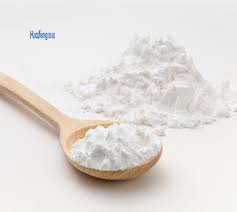
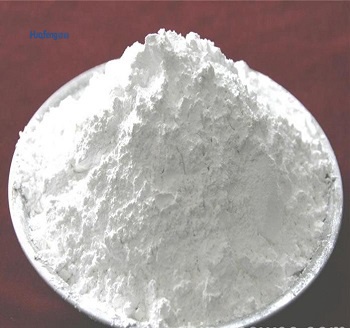
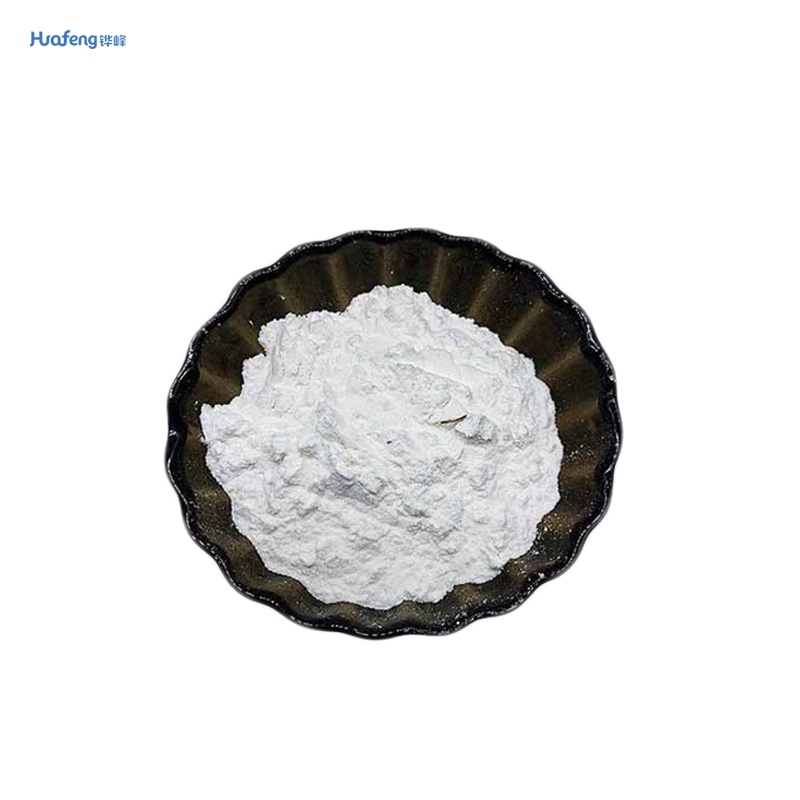
AppearanceWhite or off-white powder
Main VarietiesCationic Starch: Introduces positive charge into starch molecules by incorporating quaternary ammonium groups. CAS No. 56780-58-6. Due to electrostatic attraction with negatively charged fibers and fillers, it is the most widely used and largest-volume modified starch in papermaking. Classified by degree of substitution (DS): low DS (paper strengthening and surface sizing), medium DS, and high DS (textile sizing, water treatment flocculation). Raw material sources include corn, tapioca, potato, and wheat.
Oxidized Starch: Treated with hypochlorite or hydrogen peroxide to reduce viscosity and improve film-forming and adhesion properties. Features low viscosity, high solids content for sizing, good film-forming and surface coverage, improves surface strength. Widely used for surface sizing and coating binders.
Cationic Cross-linked Starch: Cross-linked structure on cationic starch base for improved paste stability and viscosity, suitable for higher strength paper grades.
Oxidized Cationic Starch: Combines low viscosity of oxidized starch with adsorption properties of cationic starch through oxidation-etherification composite reaction. Provides superior surface strength, smoothness and tensile strength compared to conventional oxidized or cationic starch.
Amphoteric Starch: Contains both anionic and cationic groups in the molecule. Low pH sensitivity, suitable for complex wet-end chemistry environments. Outperforms single-ion starches in high-salt systems. Shows better strengthening and retention effects than cationic starch in acidic sizing systems.
Starch Phosphate: Modified by phosphorylation for improved paste stability and adhesion strength.
Starch Acetate: Esterified modification for improved film-forming and flexibility.
Enzyme-Converted Starch: Treated with α-amylase and other enzymes for precise control of molecular weight and viscosity.
Typical SpecificationsAppearance: White or off-white powder
Fineness (100 mesh pass rate): ≥98%-99%
Whiteness: ≥89%
Moisture: ≤14.0%
pH: 6-8 (varies by type)
Viscosity: varies by type and application
Degree of Substitution: ≥0.02-0.04 for cationic starch (customizable)
Specks: ≤1/cm²
FeaturesElectrostatic adsorption with negatively charged fibers and fillers (cationic); reduced viscosity and improved film-forming at high solids content (oxidized); combined adsorption and low viscosity properties (oxidized cationic); low pH sensitivity for complex wet-end environments (amphoteric); renewable and biodegradable; can partially replace higher-cost synthetic resins to reduce production costs.
Main ApplicationsWet-End Addition: Added before papermaking to interact with fibers. Improves tensile strength, burst strength and fold endurance. Improves retention of fines and fillers (calcium carbonate, talc, etc.). Improves drainage on the paper machine wire, reduces energy consumption.
Interlayer Spraying: Starch granules sprayed between paper layers, gelatinized by dryer for bonding. Improves interlayer bonding strength of paperboard.
Surface Sizing: Forms uniform film on paper surface, improves surface abrasion resistance, prevents "dusting" during printing or writing. Improves suitability of premium cultural paper (coated paper, offset paper). Regulates ink absorption, smoothness and liquid penetration resistance.
Coating: Used as binder in pigment coatings (kaolin, titanium dioxide, etc.). Provides initial adhesion when compounded with synthetic latex, improves flexibility and crack resistance. Prevents pigment settling, improves coating fluid flowability and uniformity. Suitable for high-speed paper machines (>1000 m/min).
Internal Sizing Aid: Works with rosin, AKD and other sizing agents to enhance sizing
Packaging25kg paper-plastic composite bags (PE liner) or kraft paper bags; jumbo bags available upon request
Storage ConditionsStore in cool, dry, well-ventilated area; keep sealed to prevent moisture
Shipping RequirementsNon-hazardous cargo; protect from moisture, sunlight and rain; handle with care
Quality StandardsVarious industry standards or enterprise standards per product type; export can refer to international standards


Factory Showcase

拼图_美图设计室-(1)

Quality Control Lab

实验室

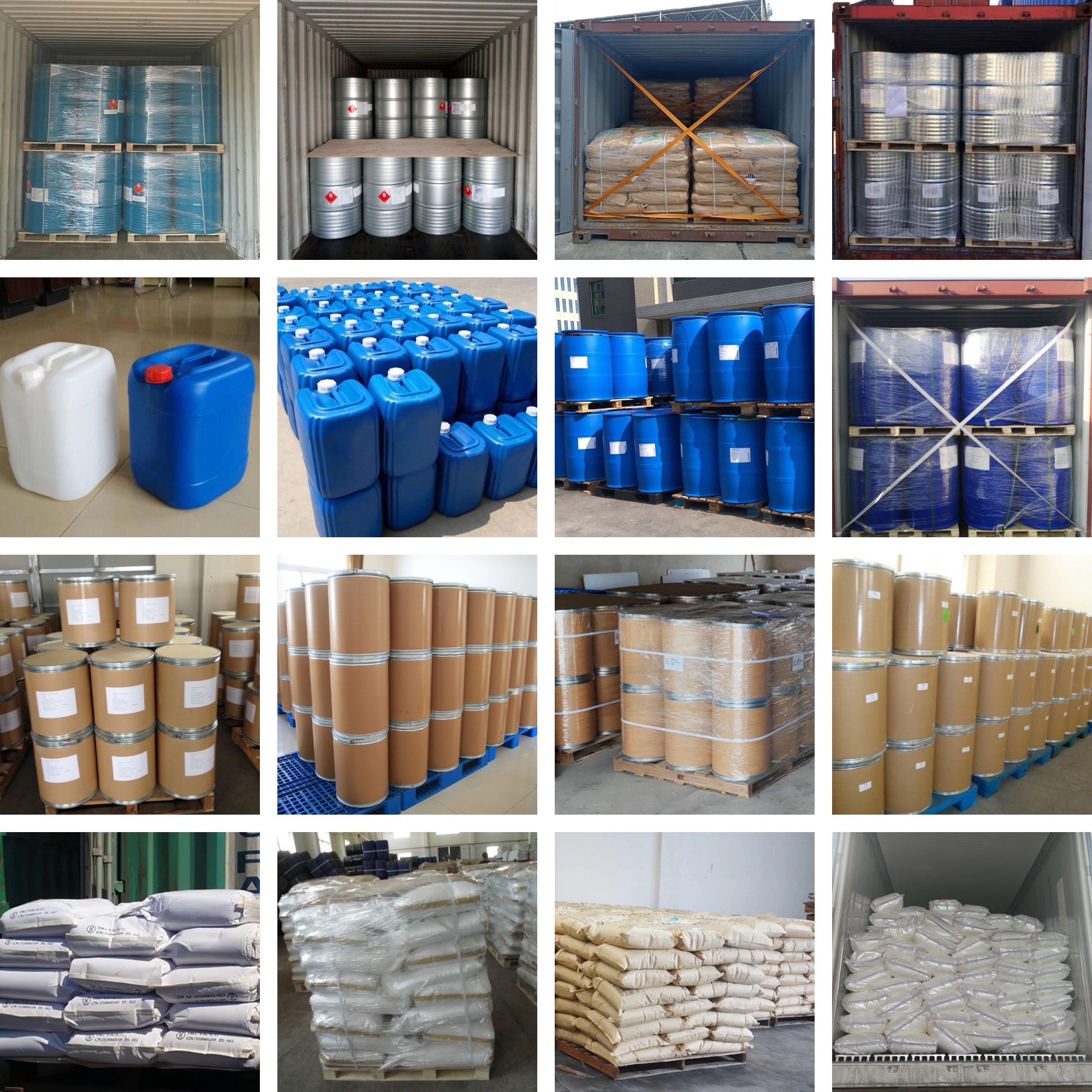
Shipping And Transportation

拼图_美图设计室

FAQ

Q1: Is Huafeng Chemical a manufacturer or a trader?
A: We are a professional service provider specializing in chemical foreign trade. Rather than being limited to the products of a single factory, we leverage the chemical industry cluster in Shandong Province to integrate production resources from multiple high-quality manufacturers. This allows us to offer a wide range of sourcing options—covering various product categories and origins—instead of simply pushing a single product. Furthermore, our core competitiveness lies in our professional foreign trade services (covering documentation, logistics, and regulatory compliance), ensuring a smooth and worry-free procurement process for you.


Q2: How is the security of my transaction guaranteed when working with Huafeng Chemical?
A: We strictly adhere to international trade rules (Incoterms® 2020) and accept various payment methods, such as Letters of Credit (L/C) and Telegraphic Transfers (T/T). For new clients, we support small-batch trial orders and can clearly define arbitration clauses and applicable laws within the contract. Additionally, we maintain a robust risk management system to help you mitigate common trade risks, such as exchange rate fluctuations, shipping delays, and document discrepancies.


Q3: Do you have experience serving clients in Russian-speaking regions?
A: Yes. We place great importance on the Russian-speaking market; our team includes Russian-speaking business professionals who are well-versed in the import regulations of Russia and the Eurasian Economic Union (EAEU). We understand the importance of EAC certification to clients in these regions and can assist with related compliance inquiries. We have established connections with chemical traders across various CIS countries and have gained valuable experience in specialized packaging and temperature-controlled shipping designed to withstand harsh local winter conditions.


Q4: How do you guarantee product quality?
A: We implement a strict supplier qualification and periodic audit system. A Certificate of Analysis (COA)—issued by the original manufacturer—is provided with every shipment. We also welcome pre-shipment inspections conducted by internationally recognized third-party agencies such as SGS, BV, or ITS. Should the test results fail to meet the standards specified in the contract, you have the right to reject the goods or request a replacement.

Contact Us

Submit

Recommendation