









Products
Navigation
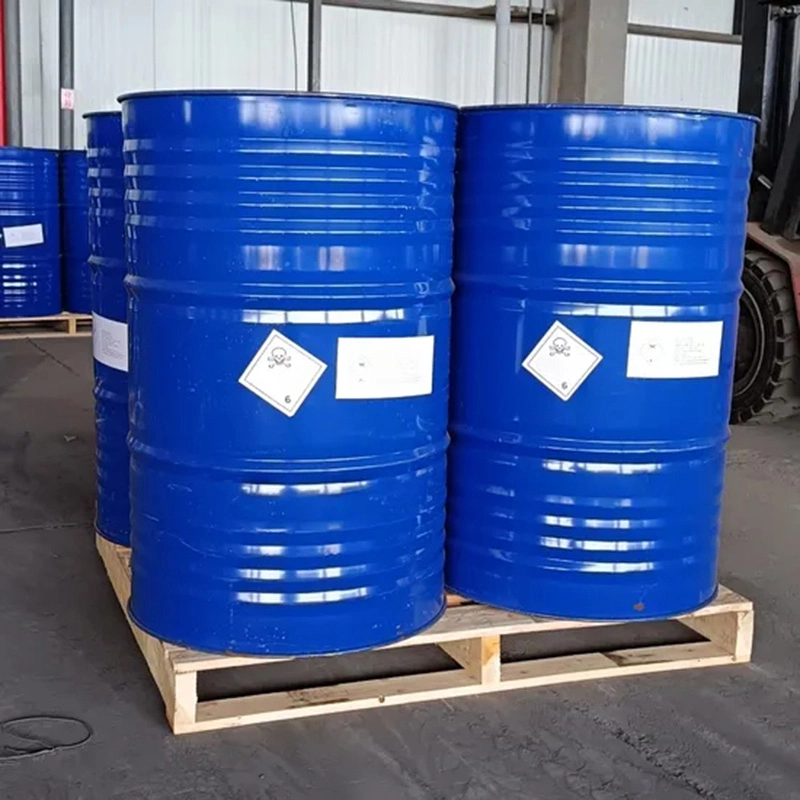
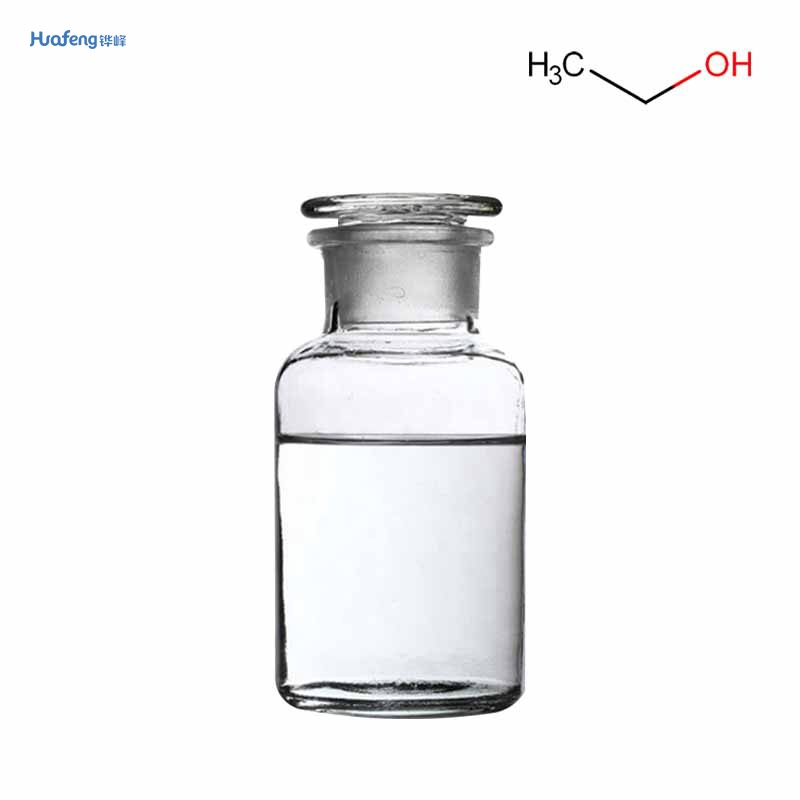
Ethanol CAS#71-23-8
Versatile Solvent:1-Propanol is widely used as a solvent in various industrial applications due to its strong solvency.
Chemical Reactivity:Its hydroxyl group allows it to participate in chemical reactions similar to ethanol, making it useful for organic synthesis.
Industrial Production Flexibility:Can be produced via multiple methods, including reaction of ethylene with carbon monoxide and hydrogen, hydration of propylene, or catalytic hydrogenation of acetone.
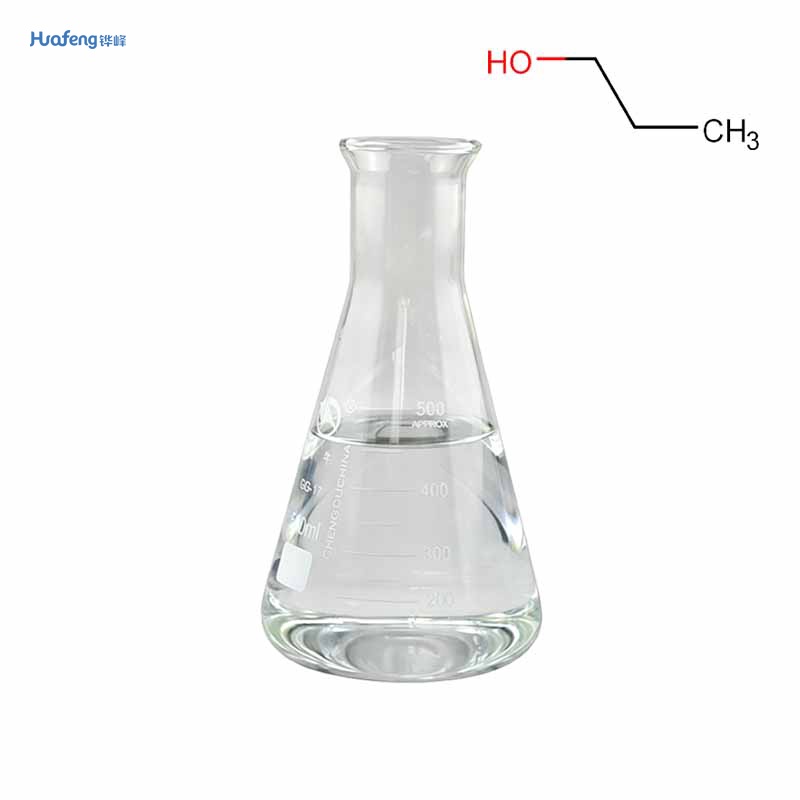
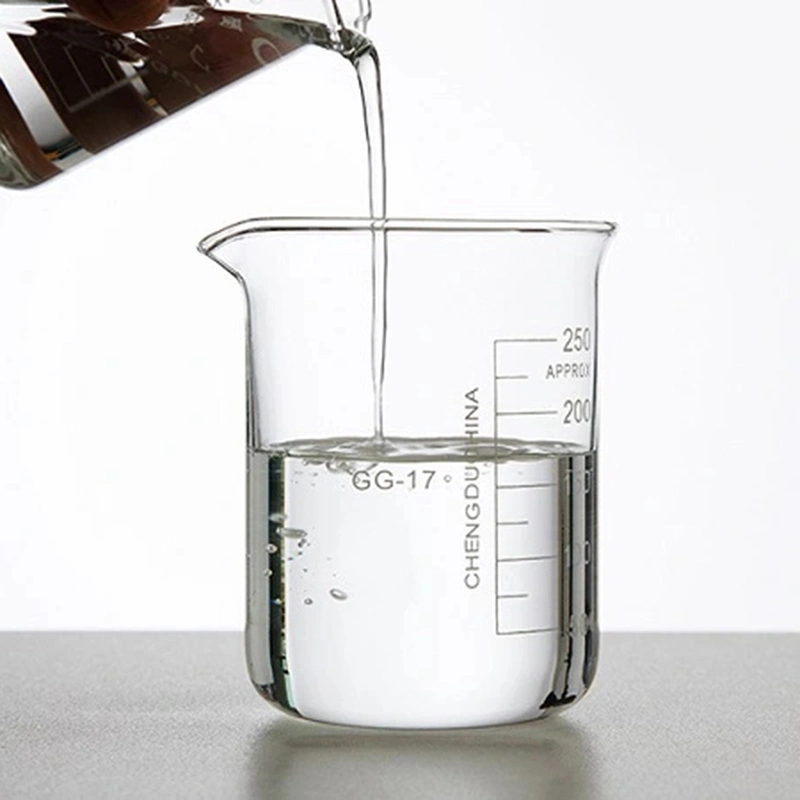
Clear, Stable Liquid:Appears as a colorless, transparent liquid at room temperature and standard pressure, facilitating handling and formulation.
Product Description
Product Description of Ethanol CAS#71-23-8
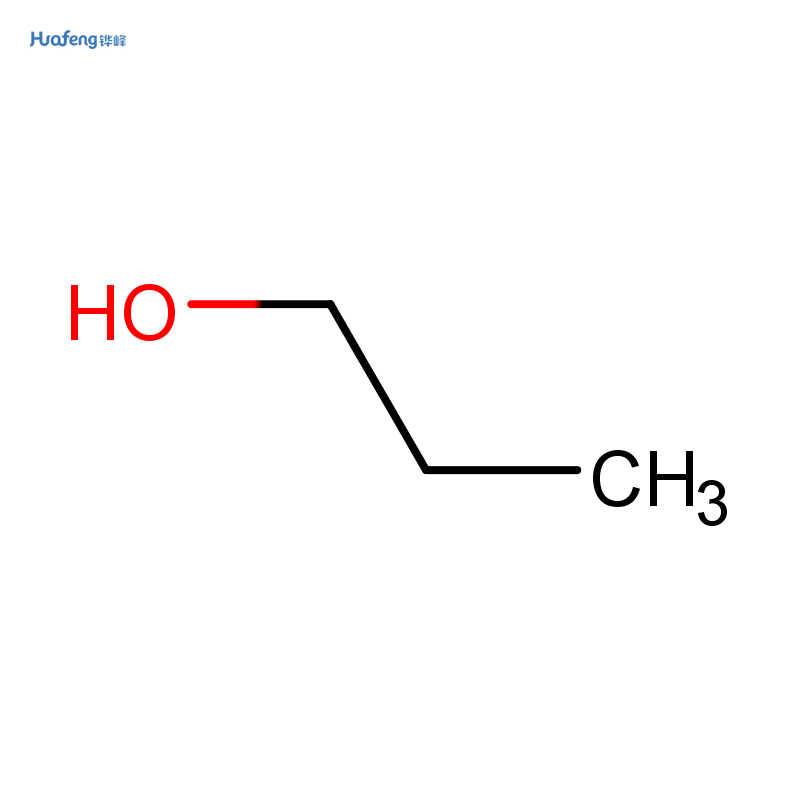
1-Propanol is a compound in which a hydrogen atom in a propane molecule is replaced by a hydroxyl group. Because the hydroxyl group can replace hydrogen atoms on either terminal carbon or the central carbon, two isomers are formed: n-propyl alcohol and isopropyl alcohol. Its chemical properties are similar to those of ethanol. It can be produced as a byproduct during methanol synthesis from carbon monoxide and hydrogen. At room temperature and standard pressure, 1-propanol appears as a colorless, transparent liquid with a characteristic odor. Industrially, it is produced via the reaction of ethylene, carbon monoxide, and hydrogen under high pressure using a cobalt catalyst, or alternatively through the hydration of propylene in the presence of sulfuric acid, or by catalytic hydrogenation of acetone. It is widely used as a solvent but can be irritating to the eyes and mucous membranes. Inhalation of propanol vapor may cause dizziness, headache, and nausea.
Product Application of Ethanol CAS#71-23-8
Propanols are primarily used as solvents in coatings, antifreeze formulations, and various household and personal care products. They also serve as chemical intermediates in the production of esters, amines, and other organic derivatives. Specifically, 1-propanol is widely employed as a solvent in printing inks, paints, cosmetics, pesticides, cellulose esters, and insecticides.
Additionally, 1-propanol is commercially used to produce glycol ethers, which are valued for their dual functionality, providing high solvency, chemical stability, and compatibility with water.
Product Information
Parameters
Safety Information
Factory Showcase

Quality Control Lab

Shipping And Transportation
FAQ
Q1: Is Huafeng Chemical a manufacturer or a trader?
A: We are a professional service provider specializing in chemical foreign trade. Rather than being limited to the products of a single factory, we leverage the chemical industry cluster in Shandong Province to integrate production resources from multiple high-quality manufacturers. This allows us to offer a wide range of sourcing options—covering various product categories and origins—instead of simply pushing a single product. Furthermore, our core competitiveness lies in our professional foreign trade services (covering documentation, logistics, and regulatory compliance), ensuring a smooth and worry-free procurement process for you.
Q2: How is the security of my transaction guaranteed when working with Huafeng Chemical?
A: We strictly adhere to international trade rules (Incoterms® 2020) and accept various payment methods, such as Letters of Credit (L/C) and Telegraphic Transfers (T/T). For new clients, we support small-batch trial orders and can clearly define arbitration clauses and applicable laws within the contract. Additionally, we maintain a robust risk management system to help you mitigate common trade risks, such as exchange rate fluctuations, shipping delays, and document discrepancies.
Q3: Do you have experience serving clients in Russian-speaking regions?
A: Yes. We place great importance on the Russian-speaking market; our team includes Russian-speaking business professionals who are well-versed in the import regulations of Russia and the Eurasian Economic Union (EAEU). We understand the importance of EAC certification to clients in these regions and can assist with related compliance inquiries. We have established connections with chemical traders across various CIS countries and have gained valuable experience in specialized packaging and temperature-controlled shipping designed to withstand harsh local winter conditions.
Q4: How do you guarantee product quality?
A: We implement a strict supplier qualification and periodic audit system. A Certificate of Analysis (COA)—issued by the original manufacturer—is provided with every shipment. We also welcome pre-shipment inspections conducted by internationally recognized third-party agencies such as SGS, BV, or ITS. Should the test results fail to meet the standards specified in the contract, you have the right to reject the goods or request a replacement.
Contact Us
Recommendation
Send Us Your Inquiry Today
