









Products
Navigation
Hydroxypropyl Methyl Cellulose CAS#9004-65-3
Versatile Solubility:Hydroxypropyl methylcellulose is soluble in cold water and various organic solvents, including methanol, ethanol, chlorinated hydrocarbons, and ketones, providing flexibility for multiple applications.
Functional Additive:It can serve as a dispersant, thickener, adhesive, excipient, capsule material, oil-resistant coating, and filler, making it highly multifunctional across industries.
Wide Industry Applications:It is extensively used in petrochemical, paper, leather, textile printing and dyeing, pharmaceutical, food, and cosmetic sectors.
Emulsifying and Stabilizing Capability:In cold beverages, it can be used alone or with other emulsifiers and stabilizers to improve product stability and consistency.
Product Description
Product Description of Hydroxypropyl Methyl Cellulose CAS#9004-65-3
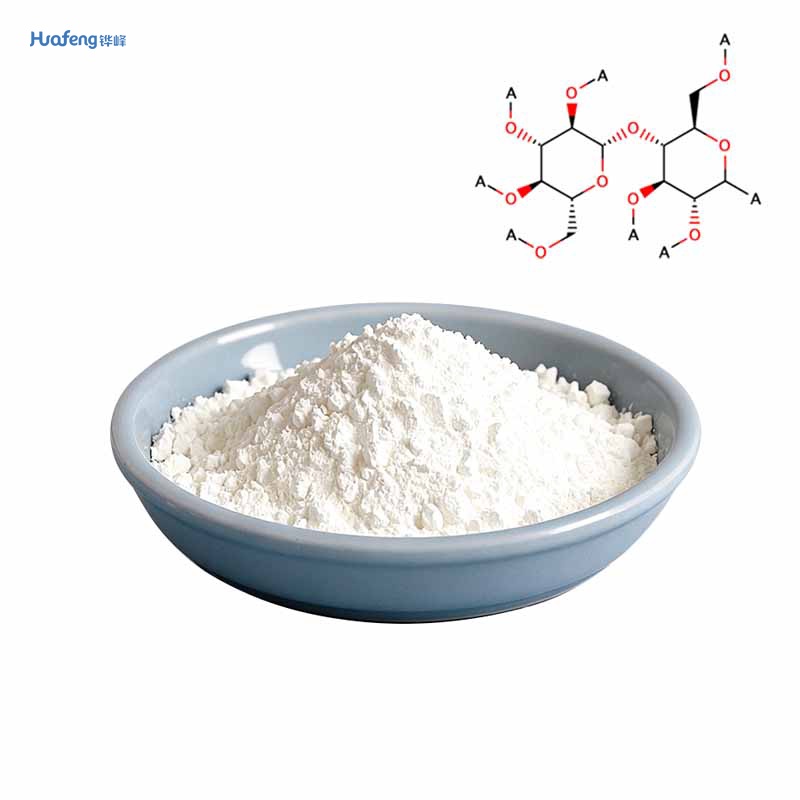
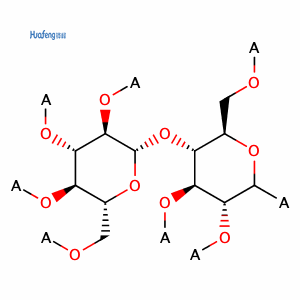
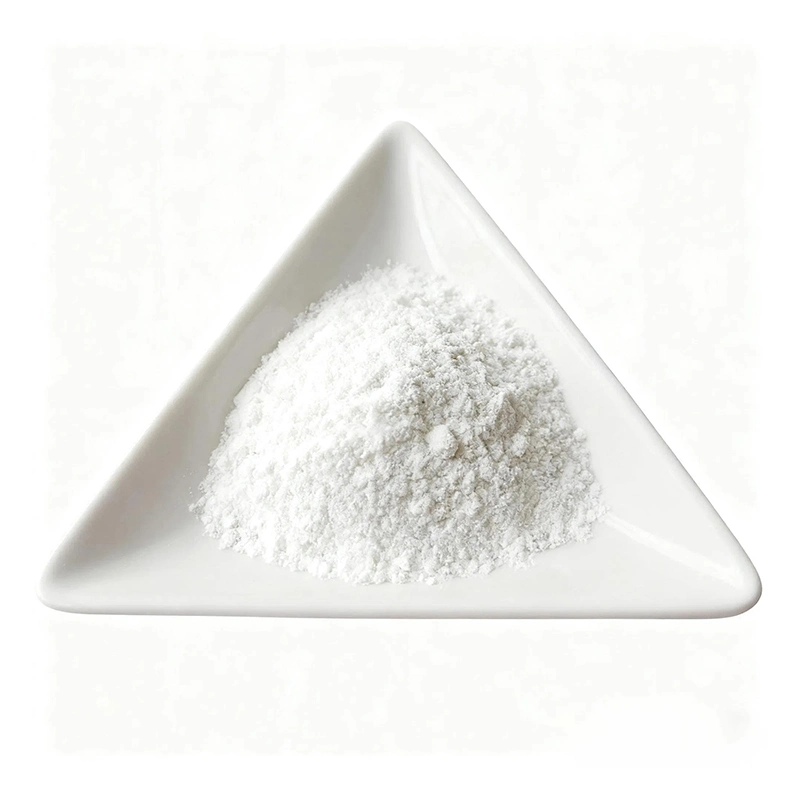
Hydroxypropyl methylcellulose (HPMC) is a propylene glycol ether derivative of methylcellulose, where hydroxypropyl and methyl groups are attached to the anhydrous glucose units of cellulose through ether bonds. It appears as a white to off-white powder or granules and shares properties with methylcellulose, being soluble in cold water but insoluble in hot water. Its solubility in organic solvents surpasses that in water, dissolving readily in anhydrous methanol and ethanol, as well as in chlorinated hydrocarbons and ketones. In cold beverages, HPMC can be used alone or combined with other emulsifiers and stabilizers. Over the years, it has found widespread applications across the petrochemical, paper, leather, textile printing and dyeing, pharmaceutical, food, and cosmetic industries, serving as a dispersant, thickener, adhesive, excipient, capsule material, oil-resistant coating, and filler.
Product Application of Hydroxypropyl Methyl Cellulose CAS#9004-65-3
Hydroxypropyl methylcellulose (HPMC) finds extensive applications across multiple industries. In construction, it is used as an additive to improve material performance. In the pharmaceutical sector, it serves as an excipient and binder. In the food industry, HPMC functions as a water-retaining agent in baking, a stabilizer for frozen products, and a thickener for beverages. In the daily chemical industry, it is employed as a thickener in cosmetics and as an anti-redeposition agent in detergents. Additionally, it is widely used in papermaking for sizing, in textile processing for fabric sizing, and in ceramics for bonding and shaping ceramic materials.
Product Information
Parameters
Factory Showcase

Quality Control Lab

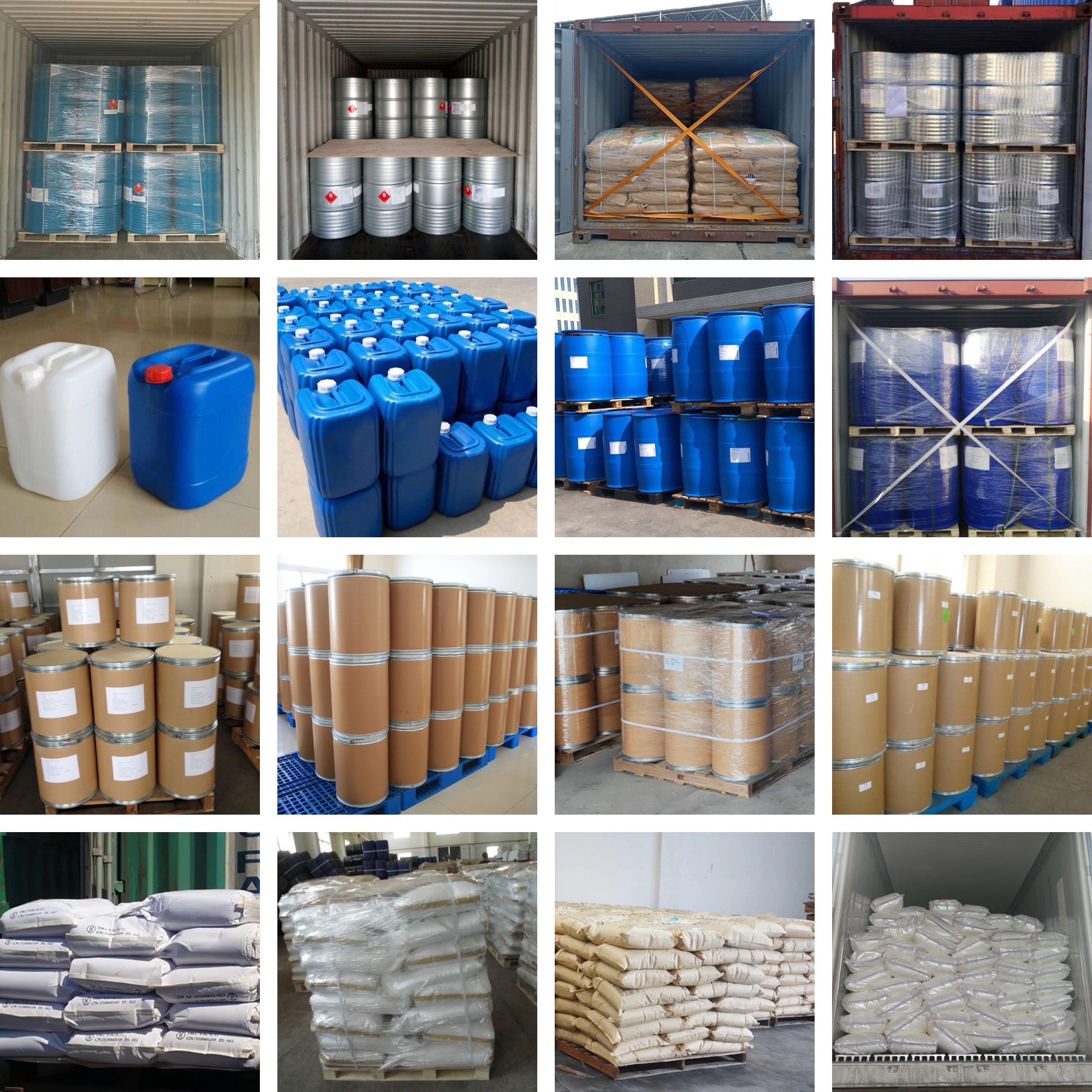
Shipping And Transportation
FAQ
Q1: Is Huafeng Chemical a manufacturer or a trader?
A: We are a professional service provider specializing in chemical foreign trade. Rather than being limited to the products of a single factory, we leverage the chemical industry cluster in Shandong Province to integrate production resources from multiple high-quality manufacturers. This allows us to offer a wide range of sourcing options—covering various product categories and origins—instead of simply pushing a single product. Furthermore, our core competitiveness lies in our professional foreign trade services (covering documentation, logistics, and regulatory compliance), ensuring a smooth and worry-free procurement process for you.
Q2: How is the security of my transaction guaranteed when working with Huafeng Chemical?
A: We strictly adhere to international trade rules (Incoterms® 2020) and accept various payment methods, such as Letters of Credit (L/C) and Telegraphic Transfers (T/T). For new clients, we support small-batch trial orders and can clearly define arbitration clauses and applicable laws within the contract. Additionally, we maintain a robust risk management system to help you mitigate common trade risks, such as exchange rate fluctuations, shipping delays, and document discrepancies.
Q3: Do you have experience serving clients in Russian-speaking regions?
A: Yes. We place great importance on the Russian-speaking market; our team includes Russian-speaking business professionals who are well-versed in the import regulations of Russia and the Eurasian Economic Union (EAEU). We understand the importance of EAC certification to clients in these regions and can assist with related compliance inquiries. We have established connections with chemical traders across various CIS countries and have gained valuable experience in specialized packaging and temperature-controlled shipping designed to withstand harsh local winter conditions.
Q4: How do you guarantee product quality?
A: We implement a strict supplier qualification and periodic audit system. A Certificate of Analysis (COA)—issued by the original manufacturer—is provided with every shipment. We also welcome pre-shipment inspections conducted by internationally recognized third-party agencies such as SGS, BV, or ITS. Should the test results fail to meet the standards specified in the contract, you have the right to reject the goods or request a replacement.
Contact Us
Recommendation
Send Us Your Inquiry Today
