




Polyurethane (PU)

Polyurethane (PU) is a class of polymeric materials with an extremely wide range of adjustable properties. By adjusting the types, proportions, and additives of raw materials, it is possible to prepare a variety of products, ranging from flexible foams to rigid plastics, and from elastomers to coatings and adhesives.

Phone :+86 13165319682
WhatsApp :+86 13165319682
Email :admin@sdhf-chemical.com
Send Inquiry →

Product Description

Polyurethane (PU) is a class of polymeric materials with an extremely wide range of adjustable properties. By adjusting the types, proportions, and additives of raw materials, it is possible to prepare a variety of products, ranging from flexible foams to rigid plastics, and from elastomers to coatings and adhesives. Our products cover the entire spectrum of flexible foams, rigid foams, elastomers, TPU granules, coatings, adhesives, and waterborne PU, and are widely used in furniture, automotive, construction, footwear, industrial, electronics, packaging, and textile industries. Leveraging China's mature polyurethane industry chain, we have ample and stable raw material supply, supporting small-batch trial orders and customized formulations. With access to major ports such as Qingdao, Tianjin, and Shanghai, our export process is efficient and hassle-free.

Product Information

ItemDescription
Product NamePolyurethane (PU)
CAS No.Main types: MDI 101-68-8; TDI 26471-62-5; Polyether polyol 9003-11-6; TPU varies by formulation
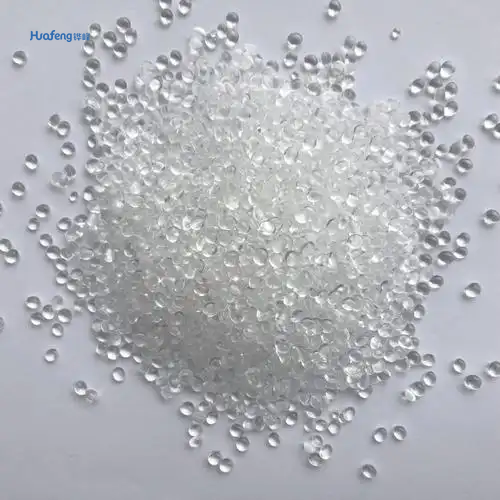
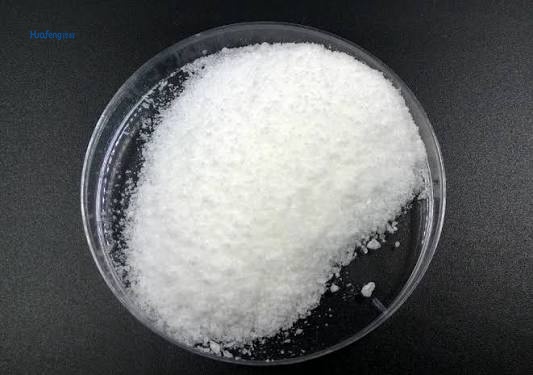
AppearanceLiquid (polyol/isocyanate components), solid pellets (TPU), foams (flexible/rigid blocks or sheets), elastomers (cast/millable), aqueous dispersions (waterborne PU)
Product DefinitionPolyurethane is a class of polymers containing urethane linkages (-NHCOO-) in the main chain, typically produced by addition polymerization of polyols and isocyanates. By adjusting raw material types, ratios and additives, products ranging from flexible foams to rigid plastics, from elastomers to coatings and adhesives can be produced.
Main Raw MaterialsIsocyanate Components: MDI (CAS 101-68-8); TDI (CAS 26471-62-5); HDI (CAS 822-06-0); IPDI (CAS 4098-71-9).
Polyol Components: Polyether polyol (CAS 9003-11-6, largest volume); Polyester polyol (CAS 32472-85-8).
Additives: Chain extenders, crosslinkers, catalysts, blowing agents, stabilizers, flame retardants, fillers.
Main TypesFlexible PU Foam: Open-cell structure, good elasticity and breathability. For upholstery, mattresses, automotive seating, acoustic insulation, sponges, packaging cushioning.
Rigid PU Foam: Closed-cell, low density, high strength, extremely low thermal conductivity. For building insulation, refrigeration/cold storage insulation, pipe insulation, spray foam.
PU Elastomer: Excellent abrasion resistance, high elasticity, oil and chemical resistance. For solid tires, seals, conveyor belts, rollers, screen mesh, shoe soles.
PU Coatings: Excellent weatherability, abrasion resistance, high gloss, strong adhesion. For automotive topcoats/repair paints, wood coatings, industrial anticorrosive coatings, floor coatings.
PU Adhesives: High bonding strength, good toughness, low temperature resistance. For footwear adhesives, composite film laminating, structural adhesives, automotive windshield adhesives.
Thermoplastic PU (TPU) : Injection moldable, extrudable, blow moldable. High abrasion resistance, high elasticity, oil and low temperature resistance. For phone cases, industrial hoses, conveyor belts, cable jackets, shoe soles, films.
Waterborne PU (WPU) : Water-dispersed, low VOC, environmentally friendly. For leather coatings, waterborne wood coatings, textile coatings, printing pastes.
Key Physical & Chemical PropertiesDensity: 0.03-1.25 g/cm³ (foams extremely light, elastomers higher); Thermal Conductivity: 0.02-0.03 W/(m·K) (rigid foam, excellent insulation); Service Temperature: -60℃ to 120℃ (special grades up to 150℃); Abrasion Resistance: excellent (elastomer abrasion loss <0.03cm³/1.61km); Oil Resistance: good; Weathering Resistance: aliphatic types (HDI/IPDI) excellent color retention, aromatic types (MDI/TDI) yellowing under long-term UV exposure.
Typical Performance ParametersFlexible Foam: Density 20-80kg/m³, Rebound ≥40%, Tensile ≥80kPa, Elongation ≥150%. Rigid Foam: Density 30-100kg/m³, Compressive ≥150-300kPa, Thermal Conductivity ≤0.024W/(m·K). Elastomer: Hardness 70-98 Shore A/20-80 Shore D, Tensile ≥30-60MPa, Elongation ≥400-600%, Abrasion ≤0.03-0.05cm³/1.61km. TPU: Hardness 70-98 Shore A/30-80 Shore D, Tensile ≥25-55MPa, Elongation ≥400-600%, Abrasion ≤0.03-0.05cm³/1.61km. Coatings: Solid content 40-70%, Pencil Hardness ≥H-2H. Adhesives: Solid content 30-80%, Peel Strength (leather/rubber) ≥5-10N/mm, Low Temperature Resistance -40℃.
FeaturesExtremely wide performance adjustability; excellent abrasion resistance (among best of all plastics); good oil and solvent resistance (elastomers); excellent thermal insulation (rigid foam); good low temperature resistance (-60℃); high bonding strength and toughness (adhesives); high gloss and strong adhesion (coatings); versatile processing methods.
Main ApplicationsFlexible Foam: upholstery, mattresses, automotive seating, acoustic insulation, sponges; Rigid Foam: building insulation, refrigeration, pipe insulation, spray foam; Elastomer: solid tires, seals, conveyor belts, rollers, screen mesh, shoe soles; Coatings: automotive topcoats, wood coatings, industrial anticorrosive coatings, floor coatings; Adhesives: footwear adhesives, composite laminating, structural adhesives; TPU: phone cases, hoses, cable jackets, shoe soles, films; Waterborne PU: leather coatings, wood coatings, textile coatings.
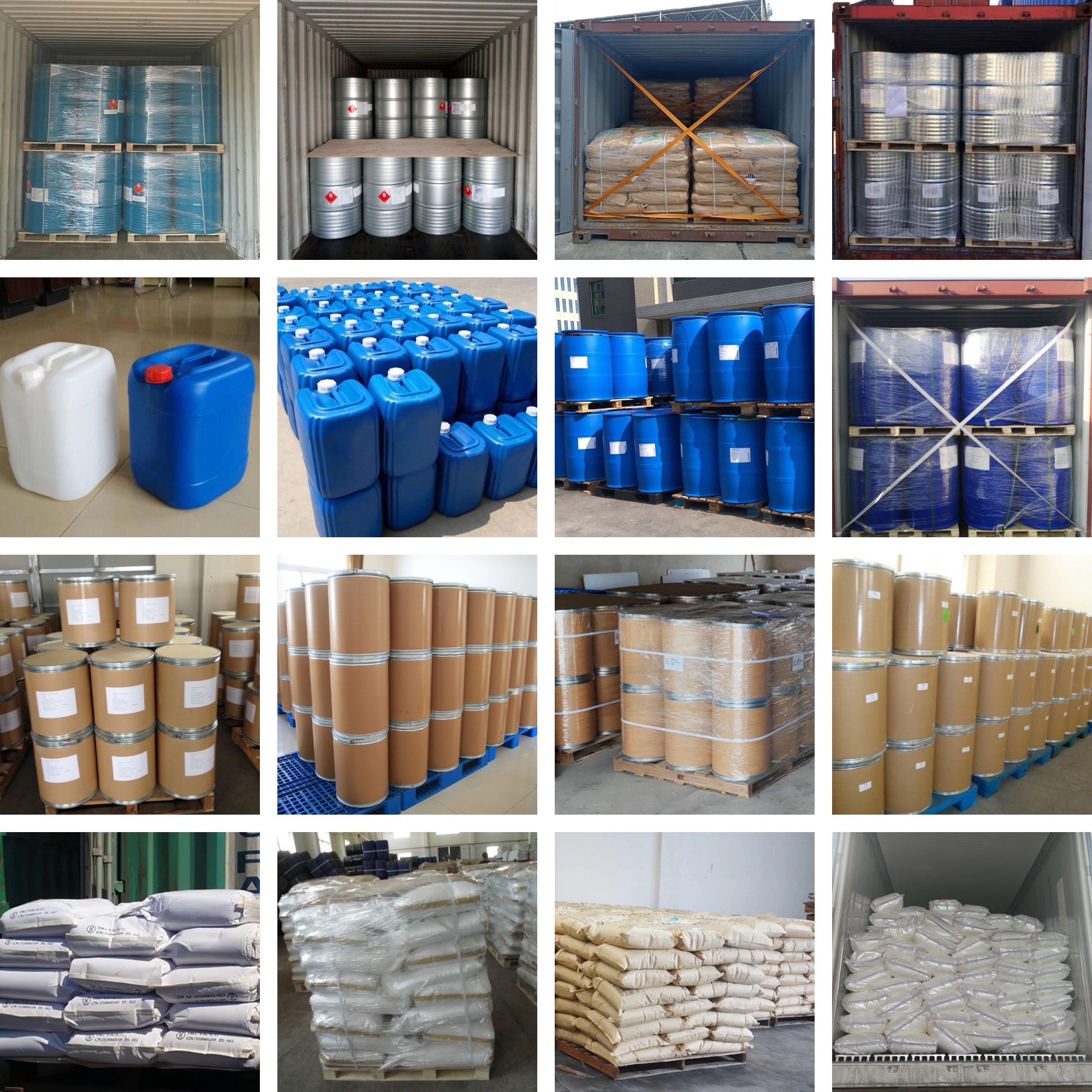
PackagingLiquids (polyol/isocyanate/WPU): 200kg drums (steel/plastic), 1000kg IBC totes, tank trucks; Solids (TPU pellets): 25kg woven bags (PE liner); Foam: blocks cut to size or sheets rolled; custom packaging available.
Storage ConditionsIsocyanates (MDI/TDI): strictly sealed, moisture-proof, store 15-30℃, avoid water contact; shelf life 6-12 months. Polyols: sealed, dry, cool; shelf life 12 months. TPU: dry, cool, away from sunlight; shelf life 12-24 months.
Shipping RequirementsTDI is Dangerous Goods (Class 6.1, UN2078); MDI non-hazardous but moisture-sensitive; polyols, foams, elastomers, TPU are non-hazardous. TDI export requires Dangerous Goods Packaging Certificate and MSDS; protect from moisture, sun and leakage; do not mix with acids, alkalis, amines, alcohols or water.
Quality StandardsFlexible Foam: GB/T 10802-2020; Rigid Foam: GB/T 21558-2008; TPU: GB/T 32364-2015; PU Coatings: GB/T 19250-2013; Export reference: ISO 16365-1 (TPU), ASTM D3574 (flexible foam).
Minimum Order QuantityLiquids/TPU: standard 20 tons (1×20'FCL or truck); trial order 5-10 tons (drums/bags) negotiable; Foam: negotiable by size.
Delivery TimeStandard 7-15 working days; custom formulations/specifications 15-25 working days.


Factory Showcase

拼图_美图设计室-(1)

Quality Control Lab

实验室

Shipping And Transportation

拼图_美图设计室

FAQ

Q1: Is Huafeng Chemical a manufacturer or a trader?
A: We are a professional service provider specializing in chemical foreign trade. Rather than being limited to the products of a single factory, we leverage the chemical industry cluster in Shandong Province to integrate production resources from multiple high-quality manufacturers. This allows us to offer a wide range of sourcing options—covering various product categories and origins—instead of simply pushing a single product. Furthermore, our core competitiveness lies in our professional foreign trade services (covering documentation, logistics, and regulatory compliance), ensuring a smooth and worry-free procurement process for you.


Q2: How is the security of my transaction guaranteed when working with Huafeng Chemical?
A: We strictly adhere to international trade rules (Incoterms® 2020) and accept various payment methods, such as Letters of Credit (L/C) and Telegraphic Transfers (T/T). For new clients, we support small-batch trial orders and can clearly define arbitration clauses and applicable laws within the contract. Additionally, we maintain a robust risk management system to help you mitigate common trade risks, such as exchange rate fluctuations, shipping delays, and document discrepancies.


Q3: Do you have experience serving clients in Russian-speaking regions?
A: Yes. We place great importance on the Russian-speaking market; our team includes Russian-speaking business professionals who are well-versed in the import regulations of Russia and the Eurasian Economic Union (EAEU). We understand the importance of EAC certification to clients in these regions and can assist with related compliance inquiries. We have established connections with chemical traders across various CIS countries and have gained valuable experience in specialized packaging and temperature-controlled shipping designed to withstand harsh local winter conditions.


Q4: How do you guarantee product quality?
A: We implement a strict supplier qualification and periodic audit system. A Certificate of Analysis (COA)—issued by the original manufacturer—is provided with every shipment. We also welcome pre-shipment inspections conducted by internationally recognized third-party agencies such as SGS, BV, or ITS. Should the test results fail to meet the standards specified in the contract, you have the right to reject the goods or request a replacement.

Contact Us

Submit

Recommendation