




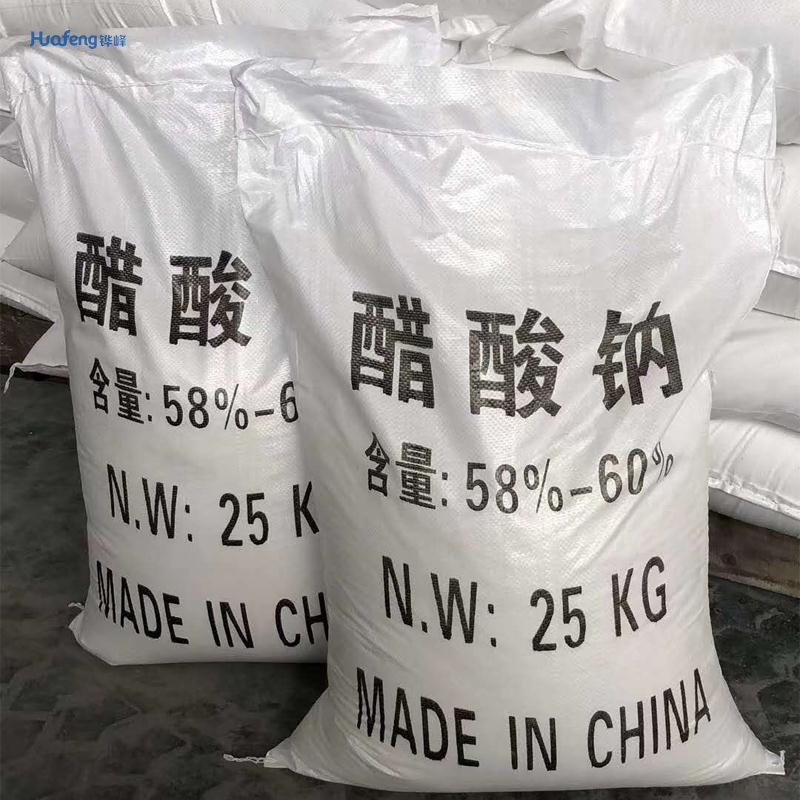
Sodium Acetate (Acetic Acid Sodium Salt) CAS 127-09-3 (Anhydrous); 6131-90-4 (Trihydrate)

Sodium acetate is a multifunctional, environmentally friendly fine chemical product, renowned for its excellent pH buffering capacity, high-efficiency carbon source performance, and wide range of applications in the food industry.

Phone :+86 13165319682
WhatsApp :+86 13165319682
Email :admin@sdhf-chemical.com
Send Inquiry →

Product Description

In wastewater treatment, as a supplementary carbon source for denitrification, it offers significant advantages over traditional carbon sources such as glucose and methanol, including faster reaction speed, higher denitrification efficiency, and lower sludge production. It is one of the preferred carbon sources for upgrading municipal wastewater treatment plants and industrial wastewater treatment plants. In the food industry, it is widely used as an acidity regulator and preservative (E262) in meat products, baked goods, and condiments. The product is available in multiple grades and specifications, including industrial grade, water treatment grade (carbon source grade), food grade, pharmaceutical grade, anhydrous, and trihydrate. It strictly adheres to national and international standards such as GB 1886.2-2015, USP, BP, and EP. Small-batch trial orders and customized packaging are supported. With access to major ports such as Qingdao Port, Tianjin Port, and Shanghai Port, export is efficient and hassle-free.

Product Information

ItemDescription
Product NameSodium Acetate (Acetic Acid Sodium Salt)
CAS No.127-09-3 (Anhydrous); 6131-90-4 (Trihydrate)
EINECS No.204-823-8
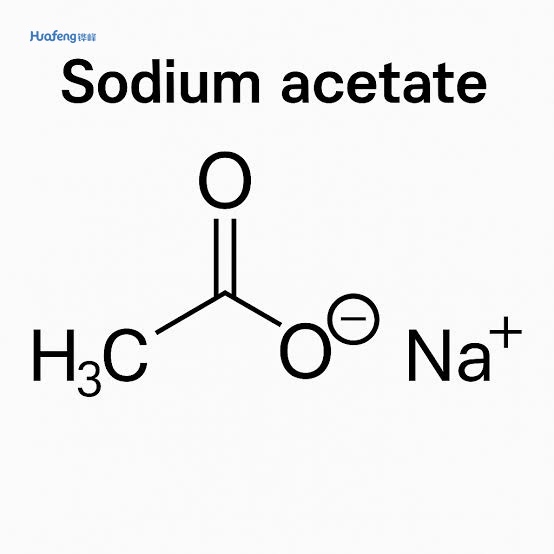
Molecular FormulaCH₃COONa (Anhydrous); CH₃COONa·3H₂O (Trihydrate)
Molecular Weight82.03 (Anhydrous); 136.08 (Trihydrate)
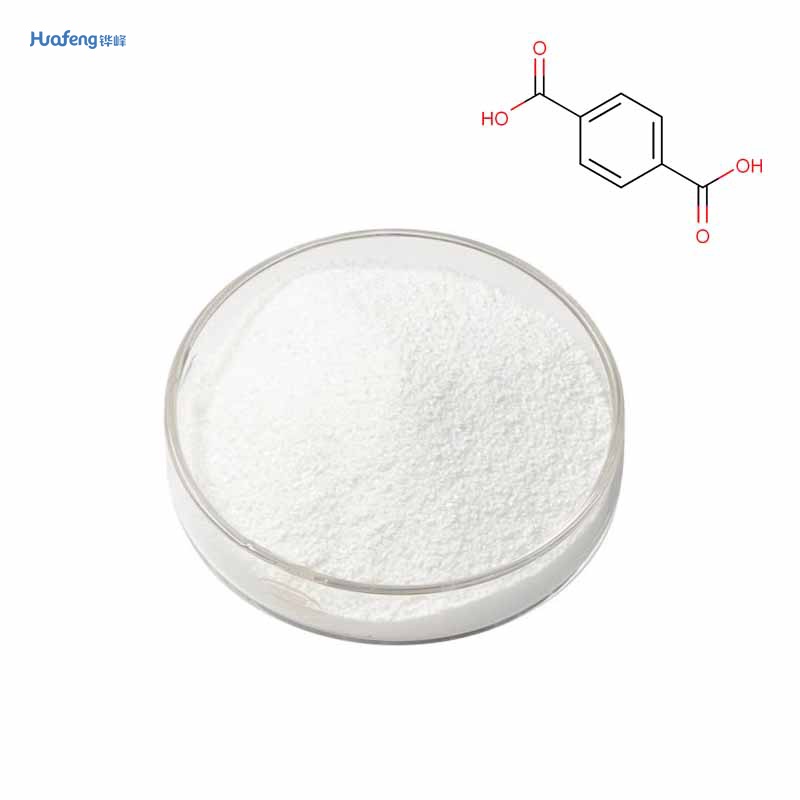
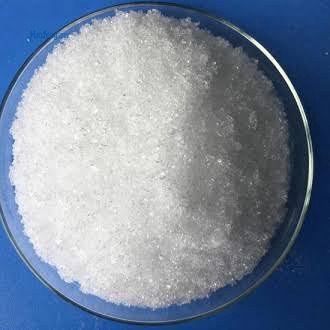
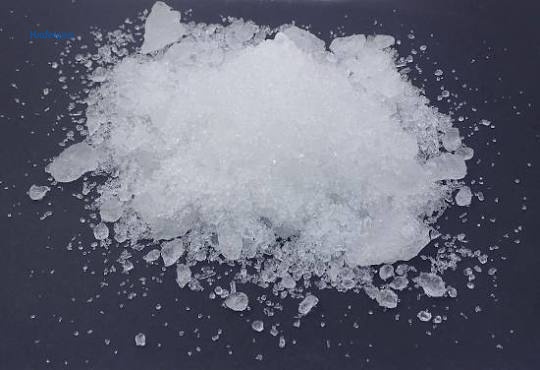
AppearanceColorless transparent crystals or white crystalline powder
Main TypesIndustrial Grade: Purity ≥98.0%-99.0%, for water treatment, textile, leather, rubber, electroplating. Largest volume, most cost-effective grade.
Water Treatment Grade (Carbon Source) : Purity ≥98.0%-99.0%, for denitrification carbon source in wastewater treatment; requires high COD, low N/P content.
Food Grade: Purity ≥99.0%, GB 2760/GB 1886.2 compliant, for acidity regulators, preservatives, flavoring agents.
Pharmaceutical Grade (USP/BP/EP) : Purity ≥99.0%-99.5%, for pharmaceutical excipients, infusion formulations, buffer solutions, dialysis fluids.
Anhydrous Sodium Acetate: No crystal water, higher purity, for moisture-sensitive applications (organic synthesis, fine chemicals, electronic chemicals).
Trihydrate Sodium Acetate: Most common and cost-effective grade, for water treatment, textile, food, etc.
Key Physical & Chemical PropertiesAppearance: Colorless crystals or white powder, odorless or faint acetic odor; Solubility: freely soluble in water (~46.5g/100mL at 20℃), soluble in ethanol; Aqueous solution weakly alkaline (pH 7.5-9.0, 1% solution); Density (anhydrous): approx. 1.45 g/cm³; Melting Point (anhydrous): approx. 324℃; (trihydrate): approx. 58℃ (loses water at 120℃); Excellent pH buffering capacity.
Food Grade Specifications (GB 1886.2-2015)Assay (CH₃COONa, dry basis): ≥99.0%; Loss on Drying (anhydrous): ≤2.0%; pH (5% solution): 7.5-9.0; Chlorides (Cl): ≤0.035%; Sulfates (SO₄): ≤0.02%; Heavy Metals (as Pb): ≤0.001%; Arsenic (As): ≤0.0003%; Lead (Pb): ≤2mg/kg.
Industrial Grade SpecificationsAssay (CH₃COONa, dry basis): ≥98.0%-99.0%; Moisture: trihydrate 36%-40%; anhydrous ≤2.0%; Chlorides (Cl): ≤0.05%-0.10%; Iron (Fe): ≤0.001%.
FeaturesExcellent pH buffering capacity (acetic acid/sodium acetate buffer system); effective carbon source for denitrification; food acidity regulation and preservation; metal ion chelating and dispersing properties; widely available and cost-effective.
Main ApplicationsMunicipal/Industrial Wastewater Treatment (fastest growing application) : Carbon source for denitrification to improve total nitrogen removal; suitable for A²/O, oxidation ditch, SBR processes. Advantages over glucose/methanol: fast reaction, high denitrification efficiency, low sludge production.
Textile/Dyeing: Neutralizer and buffer for pH control, improves dyeing uniformity and color fastness; used in desizing and scouring.
Food Industry (E262) : Acidity regulator, flavoring agent, preservative for meat products, bakery, sauces, condiments, beverages. Usage per GB 2760.
Pharmaceutical: Excipient, pH regulator, buffer, electrolyte supplement for injections and infusions; component of dialysis fluids.
Rubber/Plastics: Rubber antioxidant, vulcanization accelerator, PVC heat stabilizer.
Electroplating: Additive and buffer to stabilize pH and improve coating quality.
Others: Photographic chemicals, leather auxiliaries, organic synthesis intermediates, analytical reagents, cleaning agents, concrete admixture retarder component.
Packaging25kg woven bags (PE liner, paper-plastic composite, kraft paper bags); 500kg/1000kg jumbo bags; custom packaging available.
Storage ConditionsStore in cool, dry, well-ventilated warehouse; keep sealed to prevent moisture absorption; anhydrous grade requires extra moisture protection; trihydrate effloresces in dry air.
Shipping RequirementsNon-hazardous cargo; protect from moisture and rain; handle with care.
Quality StandardsFood Grade: GB 1886.2-2015, GB 2760; Pharmaceutical Grade: USP, BP, EP; Industrial Grade: industry/enterprise standards; Export reference: FCC, USP, EP.


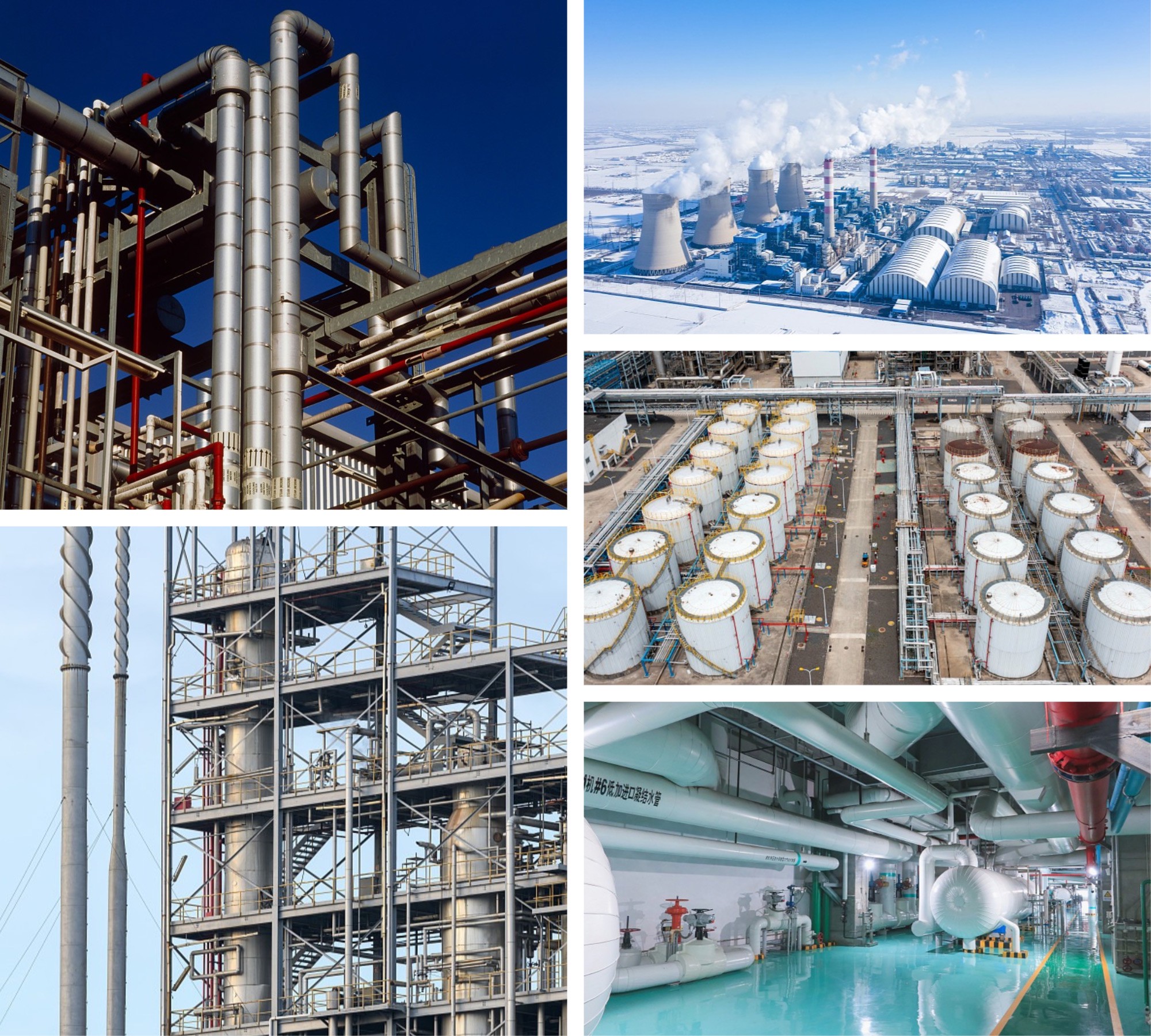
Factory Showcase

拼图_美图设计室-(1)

Quality Control Lab

实验室

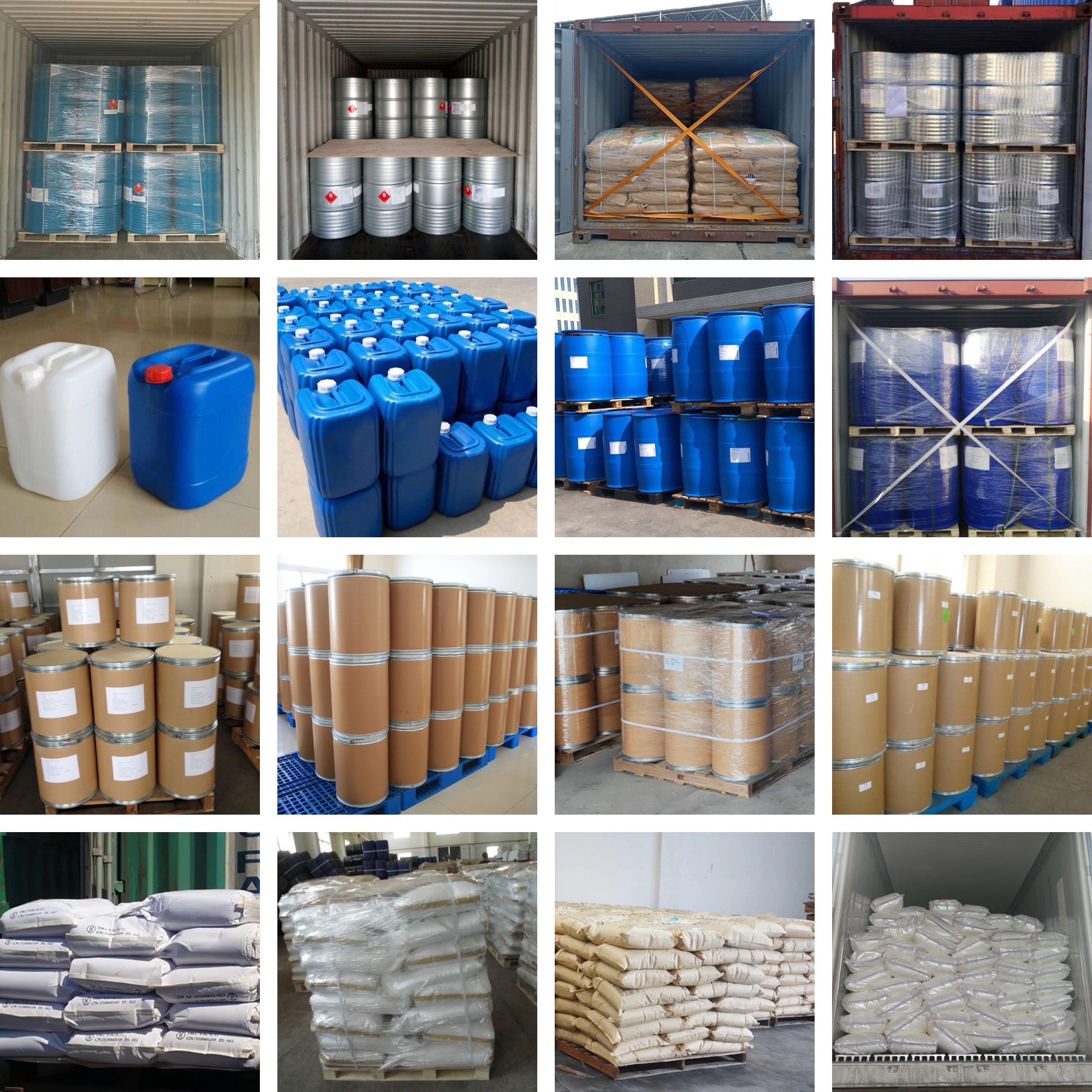
Shipping And Transportation

拼图_美图设计室

FAQ

Q1: Is Huafeng Chemical a manufacturer or a trader?
A: We are a professional service provider specializing in chemical foreign trade. Rather than being limited to the products of a single factory, we leverage the chemical industry cluster in Shandong Province to integrate production resources from multiple high-quality manufacturers. This allows us to offer a wide range of sourcing options—covering various product categories and origins—instead of simply pushing a single product. Furthermore, our core competitiveness lies in our professional foreign trade services (covering documentation, logistics, and regulatory compliance), ensuring a smooth and worry-free procurement process for you.


Q2: How is the security of my transaction guaranteed when working with Huafeng Chemical?
A: We strictly adhere to international trade rules (Incoterms® 2020) and accept various payment methods, such as Letters of Credit (L/C) and Telegraphic Transfers (T/T). For new clients, we support small-batch trial orders and can clearly define arbitration clauses and applicable laws within the contract. Additionally, we maintain a robust risk management system to help you mitigate common trade risks, such as exchange rate fluctuations, shipping delays, and document discrepancies.


Q3: Do you have experience serving clients in Russian-speaking regions?
A: Yes. We place great importance on the Russian-speaking market; our team includes Russian-speaking business professionals who are well-versed in the import regulations of Russia and the Eurasian Economic Union (EAEU). We understand the importance of EAC certification to clients in these regions and can assist with related compliance inquiries. We have established connections with chemical traders across various CIS countries and have gained valuable experience in specialized packaging and temperature-controlled shipping designed to withstand harsh local winter conditions.


Q4: How do you guarantee product quality?
A: We implement a strict supplier qualification and periodic audit system. A Certificate of Analysis (COA)—issued by the original manufacturer—is provided with every shipment. We also welcome pre-shipment inspections conducted by internationally recognized third-party agencies such as SGS, BV, or ITS. Should the test results fail to meet the standards specified in the contract, you have the right to reject the goods or request a replacement.

Contact Us

Submit

Recommendation