









Product Quick Navigation
Get a Quote
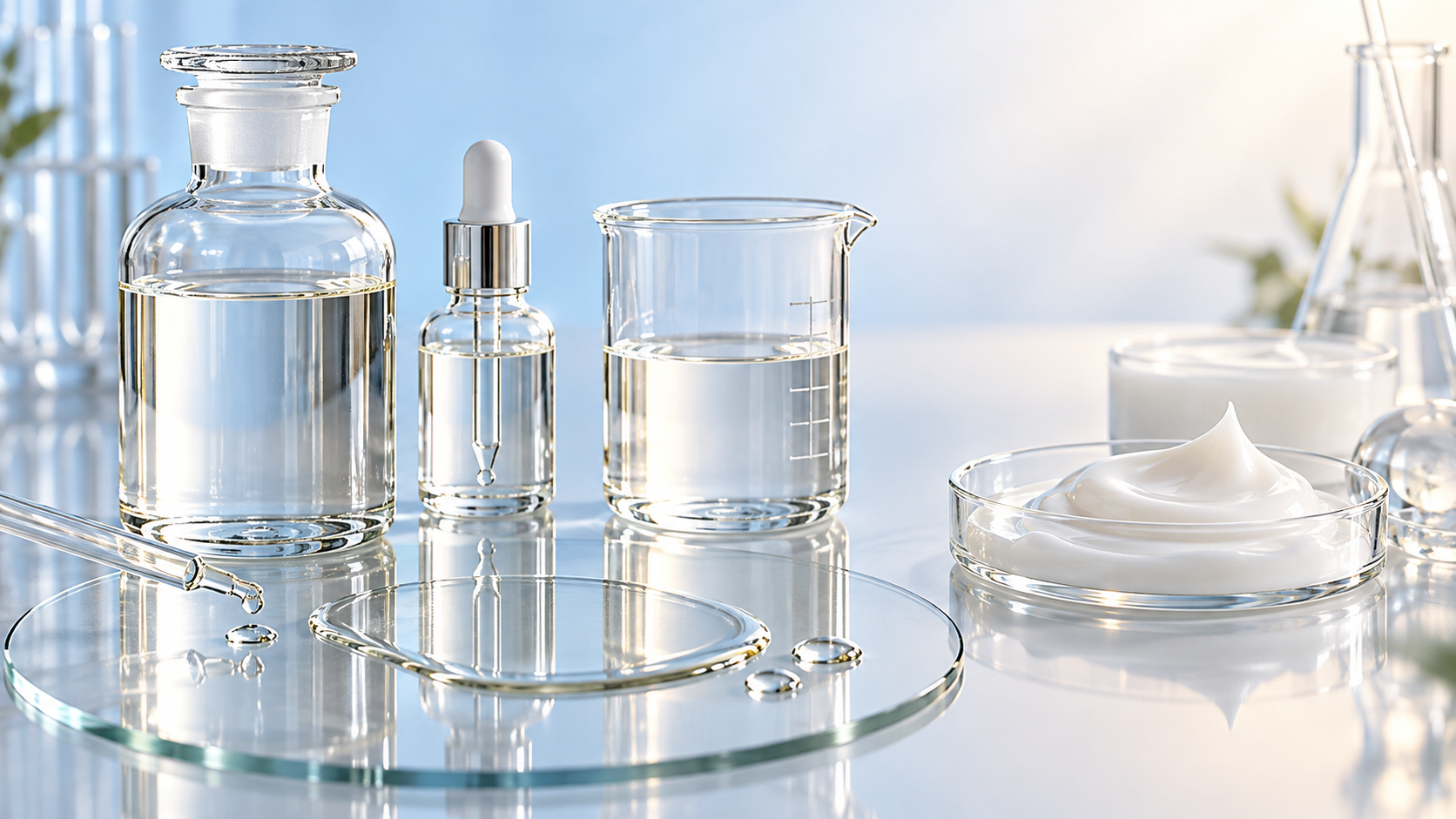
Caprylic/Capric Triglyceride is used in lightweight skin care for a straightforward reason: it can soften the skin and improve product spread without leaving the dense, oily after-feel associated with many richer emollients. In lotions, facial serums, sunscreens, cleansing oils, and makeup products, formulators often need slip and comfort without making the formula feel heavy, sticky, or slow to absorb. This ingredient is well suited to that balance.
Its value is not limited to a pleasant sensory profile. Caprylic/Capric Triglyceride can also help dissolve oil-soluble ingredients, support a more uniform texture, and make formulas easier to apply across the skin. Still, “lightweight” does not automatically mean that it is the right choice for every product. Its performance depends on the formula format, the other oils and waxes present, the desired finish, and the level of active ingredients being carried.
What gives it a light skin feel?
Caprylic/Capric Triglyceride is commonly made by combining glycerin with fatty acids derived from coconut oil, usually caprylic acid and capric acid. The result is a relatively low-viscosity, clear oil-like emollient. Compared with heavier plant oils or highly occlusive materials, it tends to spread quickly into a thin, even film on the skin.
That thin film matters in daily-use products. A facial moisturizer may need enough emollience to reduce roughness and improve softness, but it should not interfere with sunscreen layering, makeup application, or a user's preference for a clean finish. A light emollient can reduce drag during application while avoiding the waxy or coated sensation that may cause users to describe a formula as “too rich.”
It is also relatively neutral in odor and appearance. This gives formulators more flexibility when developing products with delicate fragrance profiles, transparent oil phases, or a specific sensory identity. An ingredient with a strong natural odor or deep color can complicate product development even when it has good skin-conditioning properties.
Why it appears in more than one type of product
The same ingredient can serve different functions depending on the system around it. In a light facial lotion, it may be part of the oil phase that provides softness and improves the glide of the emulsion. In an anhydrous serum or facial oil, it can dilute heavier oils and reduce the overall richness of the blend. In a cleansing oil, it can contribute to a fluid texture that spreads readily before emulsifiers help the product rinse away.
Its usefulness is especially clear when a formula contains oil-soluble materials that need an appropriate carrier. Certain fragrances, antioxidants, esters, and cosmetic actives disperse more effectively in an oil phase than in water. Caprylic/Capric Triglyceride can provide that phase while contributing less sensory weight than some alternatives.
- Lotions and emulsions: helps provide slip, softness, and a less greasy finish.
- Facial serums: can create a fluid, elegant oil phase without the thickness of a traditional facial oil.
- Sunscreens: may support spreadability, which is important when users need to apply an even layer.
- Cleansing oils and balm cleansers: contributes to makeup and sebum dissolution while helping control the product's viscosity.
- Color cosmetics: can improve pigment wetting and application feel in some oil-based systems.
These functions should not be treated as interchangeable. A sunscreen vehicle has different demands from a leave-on moisturizer, and a cleansing oil has different rinse-off expectations from a makeup primer. The ingredient may be present in all three, but the surrounding emulsifiers, film formers, powders, and active ingredients determine the final result.
It is an emollient, not a complete skin-care solution
A common misunderstanding is to assume that a lightweight emollient provides the same role as a humectant, barrier lipid, preservative, or active treatment ingredient. It does not. Caprylic/Capric Triglyceride primarily improves the feel and lubrication of the formula and can help reduce the perception of dryness by leaving the skin surface softer and smoother.
Humectants such as glycerin draw and hold water within the outer skin layers. Occlusive ingredients reduce water loss by creating a more substantial barrier at the surface. Ceramides, cholesterol, and fatty acids may be selected when a formula is intended to mimic or support aspects of the skin's natural lipid structure. Caprylic/Capric Triglyceride can work alongside these materials, but it does not replace their distinct functions.
This distinction is useful when evaluating claims. A product designed for very dry or compromised-feeling skin may need more than a fast-spreading emollient. It may require stronger moisture retention, a more persistent protective film, or a richer lipid phase. Conversely, a formula for humid climates, oily skin preferences, or daytime layering may benefit from keeping the oil phase relatively light and using this ingredient as one component of a broader moisturization system.
Where the ingredient can fall short
Light sensory performance is often an advantage, but it can be a limitation when a product needs cushion, body, or long-lasting occlusion. A body butter, winter hand cream, or overnight balm may feel too thin if it relies too heavily on a low-viscosity triglyceride. Formulators often pair it with higher-melting waxes, fatty alcohols, butters, structured hydrocarbons, or more substantial esters when the target texture needs greater richness.
It is also not accurate to describe every product containing Caprylic/Capric Triglyceride as non-comedogenic or universally suitable for acne-prone skin. Skin responses vary by person, and finished-product performance cannot be predicted from one ingredient alone. The concentration used, the total oil phase, the emulsifier system, the presence of waxes or pigments, and the user's skin condition all affect how a product feels and performs.
For the same reason, the ingredient should not be treated as a shortcut to a “natural” or “clean” positioning claim. Its feedstocks may be associated with coconut-derived fatty acids and glycerin, but sourcing, manufacturing route, purification, certification requirements, and marketing definitions differ across markets and suppliers. A procurement or formulation team should define the claim first, then assess whether the available grade and documentation support it.
Formula compatibility matters more than a simple ingredient list
Caprylic/Capric Triglyceride is generally valued because it is easy to work with in many oil phases, but compatibility should still be checked in the finished formula. A stable, attractive product requires more than a compatible emollient. The full system must remain uniform during storage, tolerate expected temperature conditions, maintain acceptable odor and color, and deliver the intended texture throughout its shelf life.
In emulsions, formulators need to consider the oil-phase load, emulsifier selection, viscosity modifiers, and the temperature profile of manufacturing. In anhydrous products, the focus may shift toward solubility of actives, crystal formation, pigment dispersion, or changes in viscosity at lower temperatures. If the product contains UV filters, fragrance components, botanical extracts, or oxidation-sensitive oils, the compatibility assessment becomes more specific.
What buyers should ask before selecting a grade
For a buyer, the name on a specification sheet is only the first screening point. Caprylic/Capric Triglyceride is used broadly enough that grades may differ in areas that affect production consistency and finished-product quality. A purchasing decision should connect the ingredient specification to the application rather than treating it as a fully interchangeable commodity.
Typical review points include appearance, odor, acid value, peroxide value, moisture level, fatty-acid distribution where relevant, and microbiological controls appropriate for the intended cosmetic application. These factors can influence odor stability, oxidative condition, color, batch consistency, and the ease of maintaining a repeatable formula. Documentation may also be needed for origin statements, allergen-related declarations, animal-testing status, residual solvent policies, or market-specific cosmetic compliance files.
Packaging and logistics deserve attention as well. Liquid cosmetic raw materials can be affected by container compatibility, exposure to air, temperature during transit, and repeated opening in production. Buyers should establish whether the ingredient will be supplied in drums, intermediate bulk containers, or another format that matches plant handling and batch size. A technically suitable material can still create avoidable waste or quality variation if the packaging does not fit the manufacturing process.
For international supply, consistent documentation and lot traceability are often as important as the technical specification. The finished cosmetic product may be placed on the market in jurisdictions with different ingredient-listing, safety-assessment, and notification requirements. The raw-material supplier does not replace the finished-product safety assessment, but reliable documentation makes the downstream review more efficient.
How to judge whether it fits a product brief
A practical starting point is to define the sensory target in concrete terms. “Lightweight” can mean fast absorption, low tack, low residue, a dry touch, easy layering, or simply a lower-viscosity product. Those are related but not identical outcomes. A formula intended for a matte sunscreen may need a different emollient balance from a dewy serum, even if both are described as lightweight.
Next, consider what the ingredient must carry or modify. If the goal is to improve spread, a moderate level may be enough. If it is being used as a solvent or diluent for another oil-soluble component, solubility work becomes more important. If it is intended to replace a heavier oil for cost, sensory, or sourcing reasons, the reformulation should be assessed for viscosity, stability, and skin feel rather than assuming a one-for-one substitution will work.
Caprylic/Capric Triglyceride earns its place in lightweight skin care because it gives formulators a flexible way to add emollience without automatically making a product feel rich. Its best use is deliberate: selected for the finish a product needs, balanced with other moisture-supporting ingredients, and sourced with specifications that match the formula and the markets where it will be sold.
Send Us Your Inquiry Today
