









Product Quick Navigation
Get a Quote
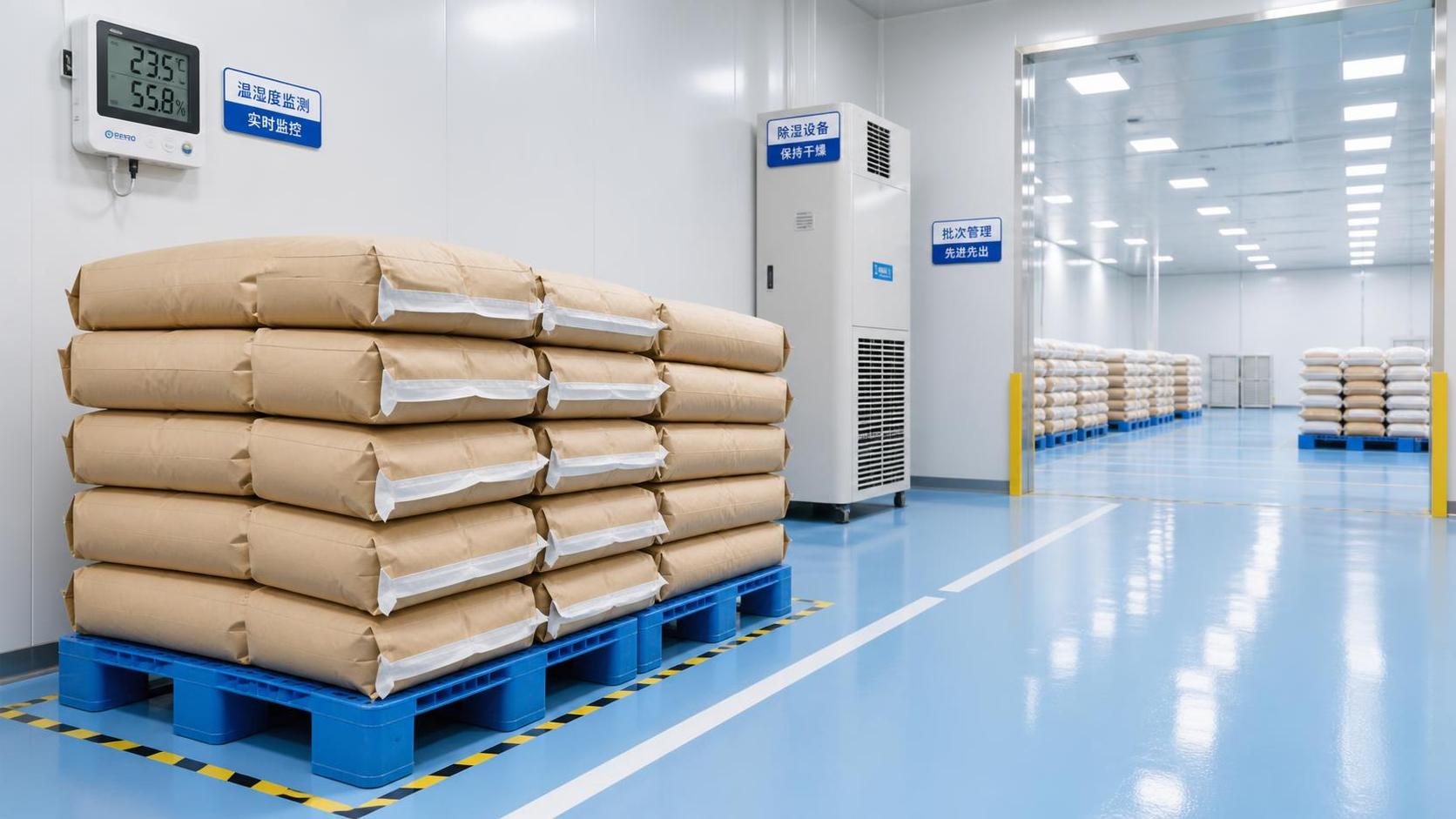
What are the storage requirements for pharmaceutical grade modified starch? Keep it dry, clean, sealed, protected from pests and strong odors, and stored under the temperature and humidity limits defined in the product specification. That sounds simple, but most quality issues do not come from a dramatic storage failure. They come from small gaps: a partly opened bag left in a humid room, pallets placed against a cold wall, unclear batch identification, or warehouse cleaning practices that create dust and contamination risks.
Pharmaceutical-grade modified starch is used because it performs predictably in formulations. Depending on its grade and intended function, it may support binding, disintegration, filling, film-forming, or other processing needs. Storage cannot change the chemical identity of a compliant material overnight, but poor conditions can alter moisture content, flowability, microbial condition, appearance, and practical handling performance. In a regulated supply chain, those changes can create delays even when the material still looks acceptable at first glance.
The right approach is to treat storage as part of material control, not merely warehouse housekeeping.
What Are the Storage Requirements for Pharmaceutical Grade Modified Starch?
The usual storage expectation is a cool, dry, hygienic indoor area in unopened original packaging. The exact temperature range, relative humidity limit, shelf life, and retest date must come from the supplier's certificate of analysis, technical data sheet, safety documentation, and approved quality agreement where applicable. There is no single storage condition that should be applied blindly to every modified starch grade.
Still, a sound storage program normally covers five practical controls:
- Protection from moisture pickup and condensation
- Stable temperatures without direct heat exposure
- Closed, intact, food- and pharmaceutical-appropriate packaging
- Segregation from contaminants, allergens, chemicals, and odor-producing materials
- Batch traceability, stock rotation, and documented inspection
These controls matter from the supplier's finished-goods warehouse through ocean freight, destination storage, dispensing, and use in production. A material can leave the manufacturer in good condition and still arrive with a preventable quality concern if the logistics chain is poorly managed.
Moisture Is Usually the First Risk to Control
Modified starch is hygroscopic to varying degrees. It can absorb moisture from the surrounding air, particularly after a package has been opened. The visible result may be caking or soft lumps. The less visible result can be a shift in powder flow, bulk density, sieving behavior, or blending consistency. Those effects may matter in tablet compression, capsule filling, granulation, or any process that depends on repeatable powder handling.
Humidity control is not only about keeping a warehouse dry. It is also about preventing short-term exposure during receiving and dispensing. A pallet unloaded from a cold container into warm humid air can develop condensation on the outer packaging. If the bag is damaged, moisture may migrate inward. The same problem occurs when a warehouse door remains open during rain or when bags are held near a washdown area.
A practical rule is to keep the material off the floor, away from exterior walls, and clear of water pipes, drains, and doors exposed to outdoor air. Use clean pallets in good condition. Do not place bags directly on concrete, even when the floor appears dry. Concrete can transmit moisture, and the lowest bags are the first to suffer when there is an unnoticed leak or condensation event.
After opening, reseal the inner liner promptly and securely. For material that will not be consumed quickly, a validated resealing method is more reliable than folding a bag over and relying on warehouse tape. The container used for partial packs should be clean, dry, compatible with the material, and clearly labeled with the original batch number, opening date, remaining quantity, and expiry or retest status.
Temperature Management Should Be Stable, Not Extreme
Pharmaceutical-grade modified starch does not usually need refrigerated storage unless the manufacturer specifically instructs it. In fact, unnecessary cold storage can create a condensation risk when the material returns to room temperature. The objective is normally a stable ambient environment, protected from direct sunlight, hot equipment, radiators, roof heat, and large daily temperature swings.
High temperatures can accelerate degradation of packaging materials, weaken seals, and make a humid storage problem worse. Very low temperatures are not automatically safer if they lead to repeated warming and cooling cycles. A warehouse that remains reasonably controlled is usually preferable to one that moves sharply between hot and cold conditions.
Do not assume that a general chemical warehouse is suitable simply because it is indoors. Some facilities store corrosives, solvents, fragrances, pigments, or agricultural products in nearby zones. Heat, vapors, dust, and odors can migrate. Pharmaceutical raw materials need a dedicated or properly segregated area with controls appropriate to their quality status.
Packaging Integrity Is a Quality Control Point
For this material, packaging is not just a transport container. It is the first barrier against humidity, dust, insects, foreign matter, and mix-ups. Typical supply formats may include multiwall paper bags with polyethylene liners, fiber drums, or other approved packs. The acceptable format depends on the supplier's validated packaging design and the shipping route.
At receiving, inspect every shipment before putting it away. Check for torn bags, wet marks, collapsed corners, broken seals, punctures, missing labels, unusual powder leakage, and evidence of insects or rodent activity. A damaged outer bag does not always mean the inner liner has failed, but it should trigger quarantine and assessment rather than routine release.
For imported material, inspect container condition as well. Water staining, a musty smell, visible condensation, damaged desiccants, or loose cargo can indicate that transit conditions were not well controlled. Container desiccants can help reduce humidity exposure during long sea shipments, but they are not a substitute for suitable barrier packaging and proper container loading.
One common mistake is to treat an intact-looking pallet as a verified shipment. The outside stretch wrap can hide damage on lower bags or at the rear of the load. Sampling and inspection procedures should reflect the risk profile of the shipment, especially after long-distance transport or a documented delay at port.
Keep the Storage Area Clean, Segregated, and Odor-Free
Pharmaceutical-grade modified starch should be stored in a clean environment with controlled access. It should not share an open area with volatile solvents, detergents, perfumes, pesticides, strongly scented materials, or dusty industrial powders. Even when direct chemical contamination is unlikely, odor transfer and airborne particulate contamination can create an avoidable investigation.
Cleaning methods deserve attention. Dry cleaning methods such as vacuuming with suitable equipment are often preferable around sealed powder materials. Wet cleaning can be appropriate for the room when properly controlled, but inventory should be protected from splash, elevated humidity, and insufficient drying time. A clean-looking floor is not useful if the cleaning process leaves a damp atmosphere around stored bags.
Pest control must also be documented. Starch-derived materials can attract pests if packaging is compromised or if food residues are present nearby. Pest-control chemicals should not be applied in a way that exposes pharmaceutical materials to aerosols, residues, or odors. The warehouse provider should be able to explain its program, monitoring records, and escalation process.
Traceability Matters as Much as Physical Conditions
A perfectly dry bag can still become unusable if its identity is uncertain. Store each batch so that labels remain visible and legible. Use a clear quarantine, released, rejected, and returned-material status system. Avoid mixing lots on a single pallet unless the warehouse system can preserve unambiguous identification.
First-expiry, first-out is generally more useful than a simple first-in, first-out approach. A shipment received later may carry an earlier expiry date because of production timing, customs clearance delays, or different transport routes. Inventory decisions should follow the approved shelf-life or retest information, not assumptions based on receipt date.
For opened packs, traceability becomes even more important. Record who opened the material, when it was opened, how it was resealed, and whether a defined in-use period applies. If no approved in-use period has been established, do not invent one from convenience. Ask the manufacturer or quality team for guidance before retaining a partially used pack for a later campaign.
Storage During International Transport Needs Its Own Plan
Global chemical supply chains add risks that a domestic warehouse may not face: long transit periods, port waiting times, container temperature cycling, repeated handling, and inconsistent local storage conditions. The material specification may be stable, but the logistics plan must be realistic about the route.
For ocean freight, use clean, dry, odor-free containers. Inspect the container before loading for holes, wet flooring, rust that may indicate water ingress, residual cargo odor, and damaged door seals. Cargo should be secured to prevent shifting and bag abrasion. Where climate exposure is significant, the packaging and moisture-control strategy should be agreed before dispatch rather than added after a claim occurs.
Suppliers and export service partners should provide documents that allow the consignee to verify material identity and status: batch number, manufacturing date where applicable, expiry or retest date, certificate of analysis, packing list, and relevant quality documentation. Shandong Huafeng Chemical, which supports overseas chemical supply, can help coordinate this type of documentation and shipment communication; however, the buyer should still confirm storage compatibility with the specific starch grade and its approved technical documents.
When Should Material Be Quarantined?
Quarantine is appropriate whenever packaging integrity, identification, transit conditions, or storage history is uncertain. Do not rely on visual appearance alone. A powder may look white, dry, and free-flowing while having absorbed enough moisture to affect a critical process parameter.
Investigate when there are wet or stained packages, broken liners, unexplained clumps, an abnormal odor, pest evidence, unreadable labels, temperature excursions, suspected water exposure, or storage beyond the approved expiry or retest date. The decision to release, reject, or test the material should be made under the applicable quality system. In pharmaceutical use, a commercial urgency should never replace documented quality disposition.
There is also a distinction between damaged secondary packaging and damaged primary packaging. A torn outer bag may be manageable after inspection if the sealed inner liner remains intact and the quality unit approves the disposition. A compromised liner presents a higher contamination and moisture risk and usually requires a more formal assessment.
Common Storage Mistakes That Create Avoidable Problems
The most frequent error is assuming unopened bags need no attention. Even unopened product needs routine warehouse checks because water leaks, roof condensation, pest activity, and label deterioration can develop over time.
Another is opening multiple bags at once for operational convenience. Every opened bag increases exposure risk and complicates reconciliation. Open only the quantity needed for the planned activity where possible.
Some sites also place starch materials beside cleaning chemicals because both are used frequently. This is poor practice. Convenience is not a suitable reason to reduce segregation. Finally, do not transfer the material into an unlabelled bin just to save space. The loss of traceability can become more serious than the original storage constraint.
FAQ
Can pharmaceutical-grade modified starch be stored in a normal warehouse?
It can be stored in an ambient warehouse only when that warehouse is clean, dry, suitably segregated, monitored, and aligned with the supplier's stated storage conditions. A general-purpose facility with uncontrolled humidity, strong odors, or mixed chemical storage is not an appropriate default.
Does an unopened bag need humidity protection?
Yes. Original packaging reduces exposure but does not remove the risk from water leaks, condensation, damaged bags, or extended high-humidity storage. Keep unopened bags on pallets and inspect them routinely.
Can a partially used bag be saved for later use?
Usually, yes, if it is resealed under controlled conditions, fully relabeled, stored correctly, and used within any approved in-use period. Where the in-use period is not defined, obtain written guidance from the manufacturer or internal quality function.
Should clumped starch always be rejected?
Not automatically, but it should not be used without assessment. Clumping can indicate moisture exposure and may affect processing. The material should be quarantined and evaluated against approved quality procedures.
Is refrigeration better for long-term storage?
Not unless the product documentation requires it. Refrigeration may introduce condensation during removal from storage. Stable, dry ambient conditions are generally the safer approach when supported by the supplier's instructions.
What are the storage requirements for pharmaceutical grade modified starch? In practical terms, preserve the original package, control moisture and temperature swings, maintain hygienic segregation, and keep every batch fully traceable. The supplier's product-specific storage statement remains the controlling reference. When a shipment, bag, or storage event falls outside that statement, quarantine first and make a documented quality decision before use.
Send Us Your Inquiry Today
