









Product Quick Navigation
Get a Quote
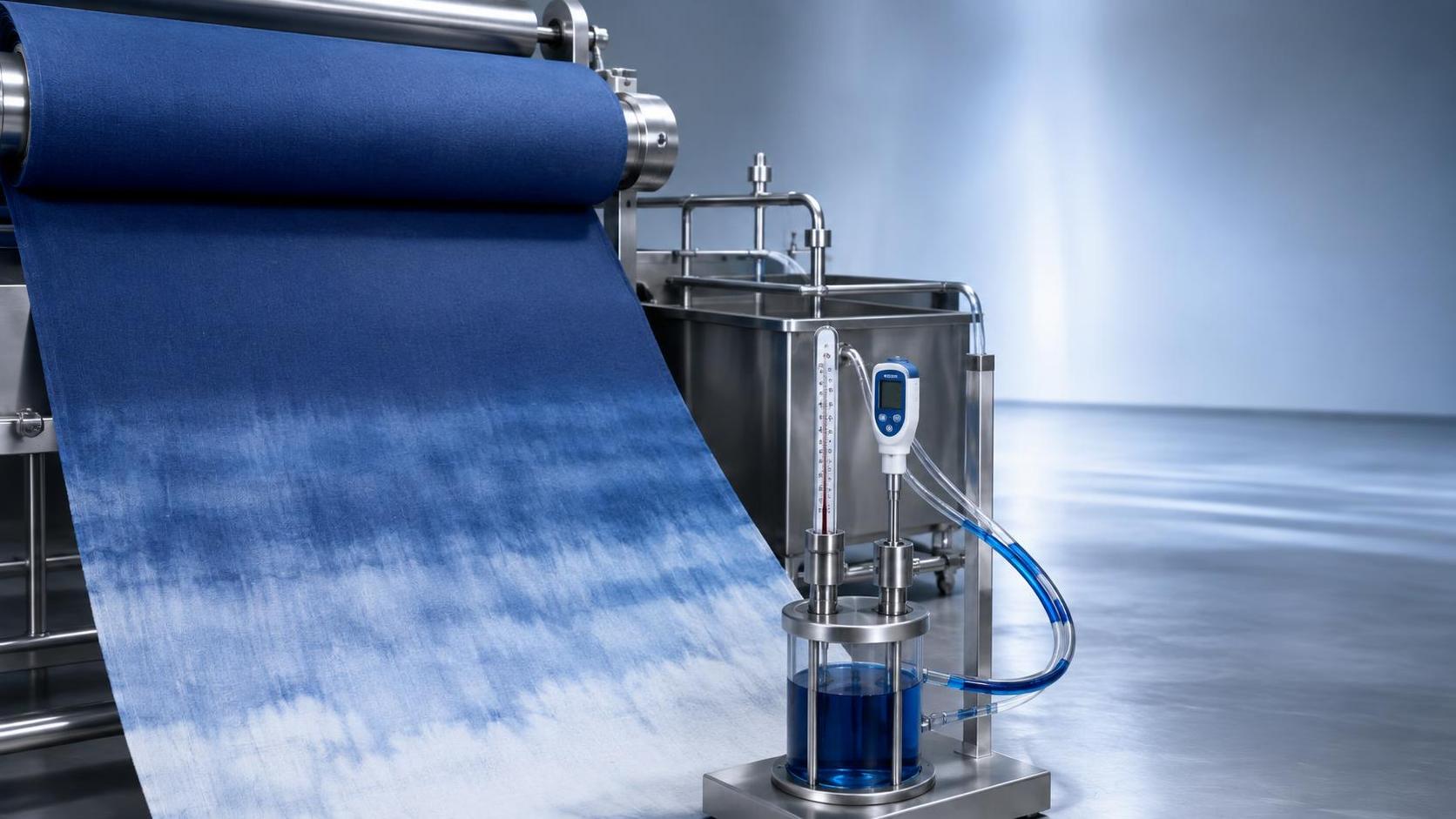
What Causes Uneven Shades When Applying Textile Dyes?
Uneven shades can turn a well-planned dyeing process into costly rework, inconsistent quality, and customer complaints. When applying Textile Dyes, operators must control key variables such as fabric preparation, dye dispersion, water quality, temperature, pH, and agitation.
Understanding the root causes of shade variation helps improve batch consistency, reduce waste, and achieve reliable color results across different textile materials. Most uneven dyeing problems are not caused by one mistake alone.
They usually result from several small process variations occurring at different stages. A practical investigation should therefore begin with preparation, then follow dye application, fixation, washing, and final inspection.
For operators, the key question is not simply why a fabric looks uneven. The real question is where the process first lost control and how that condition can be prevented.
Start by Identifying the Type of Uneven Shade
Not all shade variation has the same cause. Operators should first identify whether the defect appears as streaks, patches, side-to-side variation, center-to-edge differences, or lot-to-lot inconsistency.
Streaks often point to poor circulation, folds, uneven wetting, or machine-related movement problems. Random cloudy patches may indicate poor dye dispersion, contamination, or inconsistent fabric absorbency.
Center-to-edge differences are frequently linked to drying behavior, liquor distribution, padding pressure, or temperature variation. Identifying the visual pattern narrows the number of likely causes quickly.
Compare the defect across the full width and length of the fabric. Check whether it appears before washing, after fixation, or only after drying and finishing.
If the shade issue occurs repeatedly in the same machine zone, inspect equipment conditions before changing the dye formula. Repeated positioning usually indicates a mechanical or circulation problem.
When the variation changes from batch to batch, raw material differences, water quality, weighing accuracy, and operating discipline become more likely causes than one isolated equipment defect.
Keep physical samples from acceptable and unacceptable batches. These references help operators distinguish normal shade tolerance from actual uneven dye uptake or dye migration problems.
A clear defect description also improves communication with dye suppliers, laboratory staff, and quality teams. Vague descriptions such as “uneven color” make root-cause analysis slower and less reliable.
Fabric Preparation Is Often the First Cause
Textile Dyes cannot produce a uniform result when the fabric surface absorbs dye unevenly. Preparation quality is therefore one of the most important foundations of level dyeing.
Natural fibers may contain oils, waxes, pectins, spinning lubricants, dirt, or processing residues. Synthetic materials can retain oils, antistatic agents, silicone, and finishing chemicals.
These materials create local barriers between the dye liquor and the fiber. Areas with more residue absorb dye more slowly, producing pale spots, streaks, or irregular shade depth.
Inadequate desizing is a common issue with woven cotton fabrics. Remaining size can prevent wetting and create visible differences, particularly when deep shades require high dye concentration.
Scouring must remove hydrophobic impurities consistently across the entire fabric width. If the scouring bath loses concentration, temperature, or circulation, later dyeing problems may already be unavoidable.
Bleaching also affects shade consistency. Uneven residual peroxide, incomplete neutralization, or inconsistent whiteness can alter the final appearance, especially for pastel, bright, and turquoise shades.
Before dyeing, operators should test absorbency rather than assume preparation is sufficient. A simple drop test, wicking observation, or standardized wetting test can reveal inconsistent readiness.
Fabric moisture content matters as well. Unevenly dried fabric can take up padding liquor differently, while overdried material may wet out slowly during batch or jet dyeing.
Operators should inspect rolls for creases, tension marks, oil stains, barre, and yarn variation. Some apparent dye defects originate from the textile substrate rather than the dyeing operation.
When processing blended fabrics, each fiber component must be considered. A preparation method suitable for cotton may not remove contaminants effectively from polyester, nylon, or elastane-containing materials.
Incorrect Dye Dissolution or Dispersion Creates Local Shade Differences
Many uneven shades begin in the dye kitchen. If Textile Dyes are not dissolved, dispersed, filtered, and added correctly, concentrated particles can reach the fabric unevenly.
Reactive dyes generally require complete dissolution in suitable water before addition. Undissolved particles may create dark specks, localized staining, or shade variation during circulation.
Disperse dyes require special attention because they are supplied as finely ground particles. Poor dispersion, insufficient dispersing agent, or particle agglomeration can cause uneven distribution.
Vat dyes, sulfur dyes, pigment systems, and cationic dyes also have specific preparation requirements. Operators should follow the chemical supplier’s recommended sequence rather than applying one general method.
Water temperature during dye preparation affects solubility and stability. Some dyes dissolve better in warm water, while excessive heat may reduce stability or cause premature chemical reactions.
Adding powder directly into a production machine is risky. Even when the dye eventually disperses, early contact zones can receive a stronger concentration than the rest of the fabric.
Use a controlled premixing process with gradual addition, adequate stirring, and sufficient dilution. Filter the prepared solution when required, particularly for shades containing several dye components.
In multi-color recipes, different dyes may have different dissolution rates and migration behavior. One poorly prepared component can shift the overall shade or create visibly uneven color areas.
Check the age and storage condition of dye products. Moisture exposure, poor sealing, long storage periods, and temperature extremes can affect handling performance and color consistency.
Accurate weighing is equally important. Small measurement errors can be highly visible in pale shades, bright reds, strong blues, and recipes where one component has exceptional color strength.
Water Quality Can Change Dye Uptake and Final Shade
Water is not merely a carrier for dye. Its hardness, pH, mineral content, chlorine level, and contamination can directly influence dye solubility, exhaustion, fixation, and washing performance.
Hard water contains calcium and magnesium salts that may react with auxiliaries or interfere with dye dispersion. This can produce deposits, reduced leveling, and inconsistent shade development.
Iron and copper contamination are especially troublesome. Even low concentrations may alter certain dye shades, accelerate dye decomposition, or create dullness and irregular color formation.
Water pH should be measured regularly rather than assumed from previous production. A shift in incoming water quality can affect dye behavior before operators notice a visible problem.
For reactive dyeing, uncontrolled alkalinity can cause premature fixation in the liquor. Once dye fixes before reaching the fiber evenly, migration becomes limited and levelness suffers.
For acid dyeing, pH controls the rate at which dye attaches to wool, silk, nylon, or polyamide. A rapid pH drop may cause strike too quickly and produce dark, uneven areas.
Use sequestering agents when the process requires protection from metal ions. Their dosage should be based on actual water conditions, not copied indefinitely from an old operating sheet.
Recycled process water can support cost and sustainability goals, but it requires careful treatment and monitoring. Residual salts, detergents, colorants, and oils can affect subsequent dye batches.
Maintain records of conductivity, hardness, pH, and major contaminants. These records can reveal whether shade variation coincides with a change in water source or treatment performance.
Temperature Control Determines How Quickly Dye Moves and Fixes
Temperature is one of the strongest influences on dyeing levelness. Uneven heating causes different areas of the fabric to absorb, migrate, or fix dye at different rates.
In exhaust dyeing, rapid temperature increase can cause certain dyes to strike the fiber before they have circulated evenly. The result may be streaks, barre, or patchy coloration.
Disperse dyeing of polyester is particularly sensitive to temperature control. Insufficient heating can reduce dye penetration, while uneven heating can create differences in shade depth and fastness.
Operators should follow the specified heating gradient for each fiber and dye class. Raising temperature faster to save time often increases the risk of unlevel dyeing.
Check whether the machine’s temperature sensor represents the actual liquor temperature throughout the vessel. A correct display does not always mean all zones are heating uniformly.
Heat exchangers, steam valves, pumps, and circulation lines require regular inspection. Scale buildup or restricted flow can create temperature differences that are invisible during normal operation.
Cooling rate also matters. Some dyes may migrate or crystallize differently during cooling, especially in polyester dyeing. Controlled cooling helps preserve the levelness achieved during the high-temperature stage.
Drying can create final shade differences even after successful wet dyeing. Uneven dryer temperature, airflow, or residual moisture may cause migration, oxidation differences, or nonuniform color appearance.
Record actual time and temperature profiles for problem batches. Comparing these records with approved batches is usually more useful than relying only on the machine operator’s memory.
pH, Salt, and Chemical Addition Must Be Controlled in Sequence
Chemical dosing controls how rapidly Textile Dyes move from the liquor onto the fiber. Incorrect timing or concentration can create fast strike, poor migration, and permanent unevenness.
Reactive dyeing commonly uses salt to promote exhaustion and alkali to promote fixation. Adding either chemical too quickly can cause dye to attach before distribution is complete.
Salt should normally be introduced in controlled portions according to the recipe and shade depth. Sudden concentration changes are more likely to create local dark areas or streaking.
Alkali addition deserves particular care. If soda ash or caustic enters one zone at a high local concentration, reactive dyes can fix unevenly before circulation equalizes the bath.
For acid dyes, acid should also be added gradually when a slow strike is required. A rapid pH reduction can make the dye exhaust too quickly onto the first fabric areas contacted.
Leveling agents, dispersing agents, wetting agents, and retarders are not interchangeable. Select auxiliaries based on fiber type, dye class, machine design, and the required dyeing method.
Overdosing auxiliaries can create separate problems. Excessive leveling agent may reduce exhaustion, while too much detergent or dispersant can alter foam behavior and circulation efficiency.
Always confirm chemical concentration and delivery performance. A dosing pump that delivers inconsistently may create a shade problem even when the written recipe is technically correct.
Document the order of additions as carefully as the quantities. In dyeing, the same chemicals can produce different results when introduced at different temperatures, pH values, or stages.
Poor Liquor Circulation and Fabric Movement Cause Streaks
Even dye chemistry cannot compensate for poor mechanical conditions. The dye liquor and fabric must contact each other uniformly throughout the dyeing cycle.
In jet, overflow, package, beam, winch, and jigger machines, the circulation pattern differs significantly. Operators should understand the critical control points for their specific equipment.
Low pump flow can reduce dye movement and create stagnant zones. High flow can damage delicate materials, create rope marks, or cause inconsistent tension and surface appearance.
Fabric speed must remain stable. Uncontrolled speed changes can alter residence time, tension, and liquor exposure, especially in continuous dyeing or padding processes.
Rope dyeing systems require good fabric opening and movement. Tangling, twisting, knots, and uneven rope formation can produce dark creases and repeated longitudinal streaks.
In padding operations, roller pressure must be balanced across the width. Uneven nip pressure creates uneven pickup, which becomes visible after drying, steaming, curing, or washing.
Check the liquor ratio and machine loading level. Overloading reduces circulation space and increases fabric compression, while underloading may change hydraulic conditions and process repeatability.
Filters, nozzles, screens, and pipes should be cleaned on schedule. Partial blockages can alter liquor distribution without causing an immediate machine alarm.
Operators should inspect fabric frequently during early production runs. Catching folds, foam accumulation, or circulation abnormalities before fixation can prevent a complete batch from becoming reject material.
Drying, Washing, and Finishing Can Reveal or Create Shade Variation
A fabric may appear level inside the dyeing machine but develop variation later. Post-dyeing stages can redistribute unfixed color, change surface reflectance, or expose incomplete washing.
Inadequate rinsing leaves hydrolyzed reactive dye, dispersed particles, salts, and auxiliary residues. These residues can create staining, dullness, poor rubbing fastness, and inconsistent appearance.
Soaping conditions should match the dye class and substrate. Insufficient temperature, time, detergent action, or liquor exchange may leave loose dye on selected fabric areas.
Uneven drying may cause dye migration toward wetter zones. This is especially important after padding, printing, coating, and pigment application, where wet pickup can vary across the fabric.
Finishing agents can change color perception by altering gloss, softness, surface orientation, and refractive properties. A level dyed fabric may look uneven after an inconsistent finish application.
Check stenter settings, airflow balance, overfeed, and fabric width control. Differences between the center and edges can become more visible during drying and heat-setting.
For pile fabrics, brushed materials, and textured textiles, viewing angle also affects apparent shade. Confirm whether the problem is chemical unevenness or a surface-direction effect.
Evaluate finished fabric under standardized lighting conditions. Daylight, cool white lamps, warm lamps, and retail lighting can reveal different levels of apparent shade variation.
A Practical Troubleshooting Routine for Operators
When uneven shade appears, avoid immediately changing the dye recipe. First isolate the stage where variation began and compare the affected batch with a recent approved batch.
Review fabric preparation records, incoming fabric identification, machine loading, liquor ratio, dye lot numbers, chemical lot numbers, and operator additions. These details often reveal the first meaningful difference.
Measure pH, temperature profile, conductivity, water hardness, and dye liquor appearance where possible. Objective readings are more useful than assumptions based only on visual inspection.
Inspect the dye kitchen for incomplete dissolution, incorrect weighing, poor filtration, and mixing errors. Pay close attention to recently changed products, new suppliers, or unfamiliar dye lots.
Check machine circulation, pump pressure, nozzle condition, roller alignment, and dosing equipment. Repeated marks at regular intervals often point toward a mechanical source.
Run a small controlled trial before adjusting a full production batch. Change one important variable at a time so the result can identify the actual cause.
Create standard operating procedures for frequent shades and fabric types. These should specify preparation requirements, addition sequence, heating rate, pH range, circulation checks, and sampling points.
Train operators to report early warning signs such as foam, poor wetting, unusual liquor color, pressure changes, irregular fabric movement, or delayed temperature response.
Consistent records turn individual experience into repeatable process control. They also help quality teams distinguish a raw-material issue from an application problem involving Textile Dyes.
Conclusion: Level Dyeing Depends on Controlling the Whole Process
Uneven shades are rarely solved by changing color concentration alone. The most reliable results come from controlling preparation, dye handling, water quality, chemistry, temperature, circulation, and finishing.
For operators, the fastest path to improvement is systematic observation. Identify the defect pattern, verify process data, inspect equipment, and compare each stage with an approved reference batch.
Textile Dyes perform best when the fabric is uniformly prepared and every addition is controlled. Strong procedures, accurate records, and disciplined machine checks reduce rework and improve color consistency.
When shade variation occurs repeatedly, treat it as a process-control issue rather than a one-time color problem. This approach produces more stable production, lower waste, and more dependable finished textiles.
Send Us Your Inquiry Today
