









Product Quick Navigation
Get a Quote
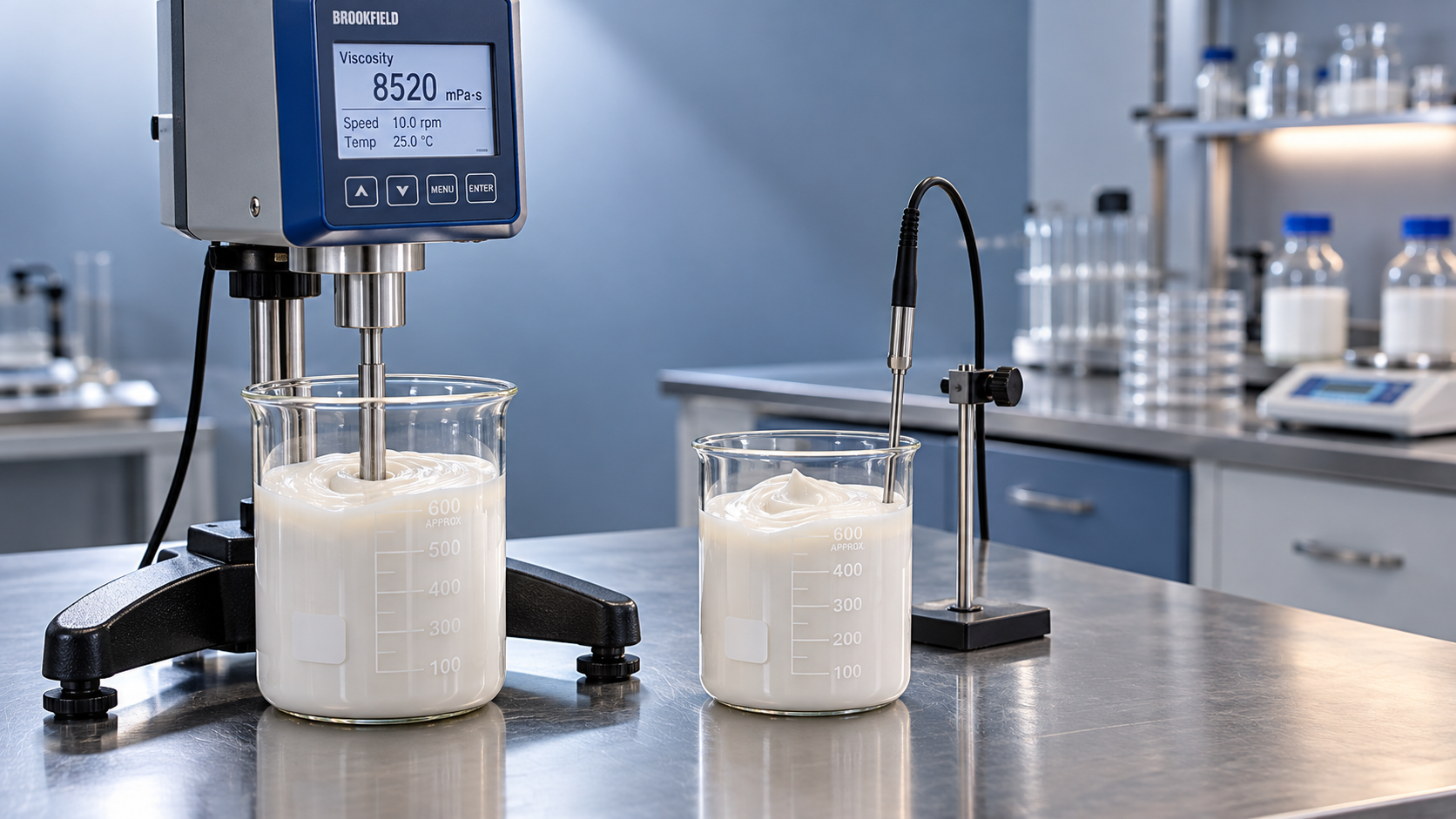
What causes PVC paste resin viscosity instability? For operators working with plastisols, unexpected viscosity changes can disrupt coating, dipping, and other processes, leading to inconsistent product quality.
The source may lie in the resin itself, plasticizer selection, mixing conditions, temperature, or storage. Identifying when and how viscosity changes is the first step toward finding the cause.
This guide outlines common factors and practical checks to help operators troubleshoot unstable PVC paste viscosity and maintain more consistent processing.
Start by identifying when viscosity changes
Viscosity instability can mean different things: a paste may be too thick immediately after mixing, thicken during storage, thin under pumping, or vary between batches.
These patterns point to different causes. Before changing the formulation, compare the affected batch with a successful batch made using the same materials and procedure.
Record the viscosity value, measurement temperature, elapsed time after mixing, instrument settings, and sample condition. Without these details, two readings may not be meaningfully comparable.
- Too thick immediately: Check ingredient weights, resin grade, plasticizer identity, mixing temperature, dispersion quality, and the measurement method.
- Thickens on standing: Check paste temperature, storage time, plasticizer compatibility, resin absorption behavior, and previous exposure to heat.
- Thins during use: Check temperature rise, sustained shear, formulation errors, contamination, and whether the reading was taken under different shear conditions.
- Varies between batches: Check raw material lots, weighing records, mixing sequence, equipment settings, and changes in test procedure.
- Changes after pumping or recirculation: Compare samples before and after the equipment, while recording temperature and circulation time.
If the change threatens coating thickness or product quality, hold the affected material and notify the responsible supervisor before making adjustments or releasing finished product.
Rule out measurement differences first
PVC plastisols are often non-Newtonian: their apparent viscosity can change with spindle speed, shear history, and time at rest. A single number rarely describes all behavior.
Use the same viscometer, spindle or measuring geometry, speed, container, sample volume, and reading time when comparing results. Follow the site’s approved test method.
Measure paste temperature at the time of testing, not just the room temperature. Even a modest temperature difference can affect the reading and conceal the actual trend.
Condition comparison samples to the specified test temperature and rest period. Avoid heating a sample beyond the approved procedure, because heat can change the paste itself.
Check that the instrument is within its recommended torque range and that calibration or verification is current. Examine the sample for bubbles and incomplete dispersion.
For a paste that changes during handling, record readings at defined intervals and speeds. A structured trend is more useful than repeated measurements under changing conditions.
Check temperature throughout the process
Temperature affects both the measured flow of a plastisol and the interaction between resin and plasticizer. These effects can occur over different timescales.
A warmer sample may initially read thinner, while excessive heat exposure can promote resin swelling or partial fusion and cause a later increase in viscosity.
Check incoming material temperature, mixing start and finish temperatures, storage conditions, and the temperature at the application point. Include the production line, not just the laboratory.
Common heat sources include long mixing cycles, high shear, warm transfer lines, pump recirculation, and storage near heaters or direct sunlight.
Compare the affected batch with a normal batch at the same test temperature. If possible, review the highest temperature reached during mixing and the time spent there.
Follow equipment limits and the formulation’s approved temperature window. If temperatures are excessive, investigate cooling, mixer loading, cycle duration, and pump operation before adjusting ingredients.
Could the resin grade or batch be responsible?
PVC paste resins differ in particle characteristics, molecular weight, porosity, and plasticizer uptake. These differences can affect initial viscosity, flow behavior, and viscosity growth during storage.
Confirm that the correct grade was issued and that its lot number matches the batch record. Do not assume two resins are interchangeable because both are labeled paste grade.
If instability began after a resin lot change, compare retained samples using the same approved formulation, plasticizer lot, mixing procedure, temperature, and test schedule.
Inspect packaging for damage, moisture exposure, foreign matter, and evidence of unsuitable storage. Visible lumps warrant investigation, although appearance alone cannot establish resin quality.
Review the supplier’s certificate of analysis against the agreed specification. A passing result does not necessarily rule out an application-specific difference in paste aging or processing.
Share comparative results, lot numbers, formulation details permitted by company policy, and the viscosity-time profile with the supplier. Ask which resin characteristics are relevant to the application.
Check the plasticizer and its dosage
The plasticizer influences paste viscosity, resin swelling, fusion behavior, and finished-product properties. A substitution that appears acceptable by name may behave differently in production.
Verify the material identity, supplier, grade, lot number, and actual quantity charged. Check whether a new delivery, substitute grade, or weighing correction coincided with the change.
Too little plasticizer can make a paste thicker. However, adding more without authorization can alter coating build, fusion, mechanical properties, and compliance with product requirements.
Different plasticizers interact with PVC at different rates. Depending on the formulation and storage conditions, this can change both initial viscosity and viscosity growth over time.
Check the approved specification for signs of an unsuitable or contaminated delivery. Use laboratory testing where needed; color, odor, or clarity alone cannot confirm quality.
If a substitution is necessary, run a controlled trial and assess application behavior, aging, fusion, and finished properties. Obtain formulation approval before using the material commercially.
Look for changes in mixing and dispersion
Mixing must wet and disperse the resin consistently without introducing excessive heat or air. Differences in equipment or operator sequence can produce noticeably different paste behavior.
Compare the actual charge order, addition rate, mixer speed, mixing duration, batch size, and cooling practice with the approved batch instructions.
Adding resin too quickly or mixing an unsuitable load may leave poorly wetted material or agglomerates. Extended high-shear mixing may raise temperature or change apparent viscosity.
Check blade condition, scraper operation, mixer cleanliness, and the condition of any filters or transfer equipment. Residue from another formulation can affect the next batch.
Take a representative sample after the specified mixing and rest periods. Look for undispersed particles and entrained air, then confirm observations using the site’s approved checks.
Do not compensate for an inconsistent mixing procedure by repeatedly changing the formulation. First reproduce the normal process, then evaluate whether a material adjustment is justified.
Why does viscosity rise during storage?
A paste that starts within specification can become difficult to pump or apply after standing. Viscosity growth may reflect resin-plasticizer interaction, temperature exposure, or formulation sensitivity.
Record the initial reading and repeat measurements after defined storage intervals, such as those in the site specification. Keep temperature and test conditions consistent throughout.
Compare a sample held under approved storage conditions with one taken from the production container. Note container size, location, sealing, and any reheating or recirculation.
Check whether the paste was made with a resin or plasticizer lot that has a different aging profile. Review stabilizers and other additives for correct identity and dosage.
Some pastes recover part of their flow after controlled stirring, while others remain thick. Compare behavior after the same stirring procedure; do not assume recovery means the batch is acceptable.
Use the approved maximum holding time and storage conditions. If viscosity exceeds the operating limit, follow the disposition procedure rather than adding plasticizer or solvent independently.
Why does viscosity change during application?
A paste can pass a laboratory check and still behave inconsistently on the line. The relevant conditions include pumping, recirculation, dwell time, application temperature, and shear.
Measure representative samples at the mixer, holding tank, and application point using the same test method. Record their actual temperatures and the time between sampling and testing.
If readings diverge after recirculation, inspect pump settings, line restrictions, filters, and temperature rise. An obstructed filter may also cause application defects without changing bulk viscosity.
For coating, monitor wet film weight or thickness alongside viscosity. For dipping, check pickup, drainage, dwell time, and bath temperature against the approved operating window.
Repeated pump starts, uneven agitation, or long idle periods can produce inconsistent feed conditions. Document the operating sequence before concluding that the resin is defective.
Check additives, contamination, and weighing
Fillers, pigments, stabilizers, blowing agents, and viscosity modifiers can alter flow. Their effects depend on grade, concentration, dispersion, and compatibility with the complete formulation.
Check the batch sheet against actual charges, including decimal places, units, scale tare, and any rework additions. Confirm that scales were functioning within site requirements.
Investigate recent additive lot changes and the order in which materials were introduced. Poorly dispersed filler or pigment can produce inconsistent readings and visible application defects.
Water, cleaning residues, incompatible materials, or carryover from a previous batch may affect paste behavior. Inspect transfer lines, containers, mixer surfaces, and cleaning records.
Do not smell or handle an unknown contaminant directly. Isolate suspect material and use the facility’s chemical identification, sampling, and safety procedures.
Run a controlled comparison before making corrections
When several causes are possible, change one factor at a time in a small, authorized trial. Keep the reference formulation and test conditions constant.
For example, compare the current resin lot with a retained acceptable lot while using the same plasticizer, mixing procedure, temperature, and measurement schedule.
Then, if needed, compare plasticizer lots separately. A useful trial includes initial viscosity, viscosity after defined storage intervals, application performance, and relevant finished-product checks.
Document both successful and unsuccessful trials. Record quantities, equipment settings, temperature history, results, and observations so that the next shift can reproduce the findings.
Escalate unexpected results to the formulator, quality team, or supplier. Small laboratory batches can identify trends, but production-scale behavior must be verified before implementation.
What should operators record for faster troubleshooting?
A consistent record helps distinguish material variability from changes in handling or measurement. Capture information as the batch moves through mixing, storage, and application.
- Materials: Resin, plasticizer, and additive grades; supplier and lot numbers; approved substitutions; actual quantities charged.
- Mixing: Equipment identification, batch size, charge sequence, speeds, mixing times, and start and finish temperatures.
- Storage: Container identification, location, storage temperature, age, agitation, and any exposure to unusual heat.
- Viscosity: Instrument, spindle, speed, torque, sample temperature, rest time, reading time, and results at specified intervals.
- Application: Pump and recirculation settings, line temperature, filter condition, coating or dipping observations, and product quality results.
Compare these records with a known-good batch before requesting a supplier investigation. Include actual readings and timestamps rather than descriptions such as “thicker than usual.”
Supplier context
Huafeng Chemical supplies products across the chemical sector. Its catalog also includes Fipronil CAS#120068-37-3, an insecticidal substance unrelated to PVC plastisol viscosity control.
That product should not be treated as a resin additive or troubleshooting material. Any purchase or handling requires verification of local regulations and applicable safety documentation.
Conclusion
PVC paste viscosity instability is best diagnosed by identifying when the change occurs, standardizing the measurement, and checking temperature and process history before altering the formulation.
Then compare resin and plasticizer lots, mixing conditions, additives, and storage behavior using controlled tests. Record results and obtain approval before correcting or releasing affected material.
Send Us Your Inquiry Today
