









Product Quick Navigation
Get a Quote
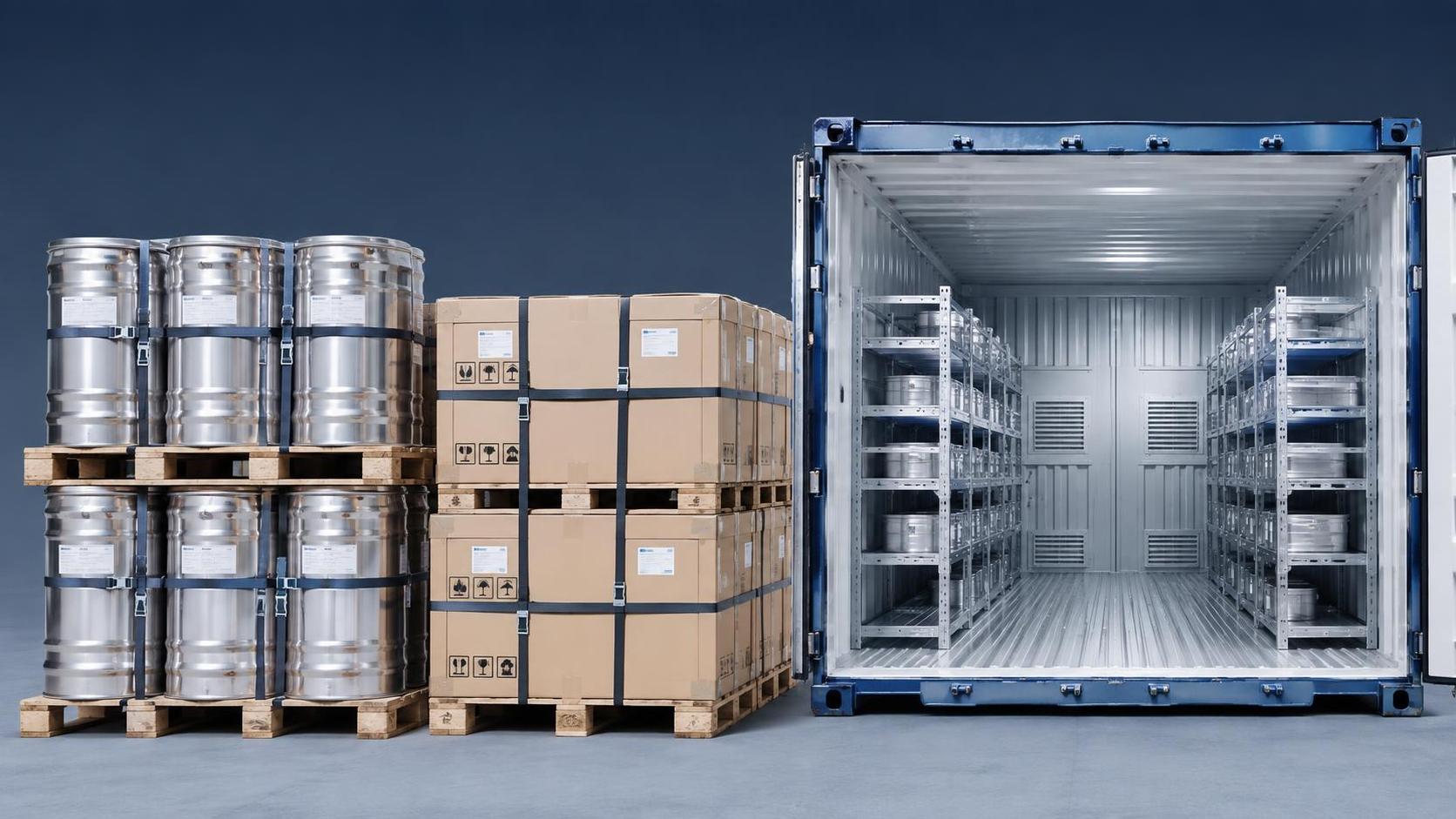
Aluminum phosphide is highly effective for fumigation, but it is not a routine cargo. A small lapse in storage discipline can turn into a major shipping concern long before a container reaches the port. The material reacts with moisture to release phosphine gas, which is acutely toxic and may present a fire hazard under certain conditions. That means warehouse conditions, package integrity, segregation, and export documentation are all part of shipping safety—not separate administrative tasks.
For chemical exporters handling diverse products, this is a familiar lesson. A buyer may ask a commercial question such as “is reactive dye better than disperse dye for cotton exports”, while another shipment requires hazardous-material handling support. The products, regulations, and risks differ, but the operational principle is the same: safe international trade begins with correct product knowledge and continues through every handoff in the supply chain.
Why storage is the first shipping-safety control
Aluminum phosphide is commonly supplied as tablets, pellets, or other solid formulations used to control pests in stored commodities and enclosed spaces. In dry, controlled conditions, it remains stable enough for its intended use. When exposed to water, high humidity, leaks, or incompatible materials, however, it can generate phosphine gas. The release may be gradual or rapid depending on the circumstances, and it may occur inside secondary packaging, a warehouse area, a freight unit, or a transport vehicle.
This is why shipping safety cannot be judged only at the moment a package is loaded. A consignment may look sound at dispatch but become unsafe if cartons were stored on a damp floor, exposed to condensation, left near a leaking roof, or kept in a poorly ventilated area where damaged packs went unnoticed. The condition of the product before transport strongly influences the risk during transport.
In practice, storage affects four core areas:
- Gas-release risk: Moisture exposure can initiate phosphine generation.
- Package performance: Damp, corroded, crushed, or degraded packs are less likely to remain secure during handling.
- Regulatory compliance: Improper storage can lead to inaccurate package condition declarations and non-compliant dangerous-goods preparation.
- Cargo and personnel protection: A release can endanger warehouse staff, carriers, port workers, nearby cargo, and the eventual consignee.
The most reliable shipping program therefore begins upstream: select the right storage location, maintain the packaging as designed, inspect stock carefully, and release only cargo that remains fit for transport.
Moisture is not a minor warehouse issue
For many industrial chemicals, humidity may affect appearance, shelf life, or ease of use. With aluminum phosphide, moisture control is a direct safety measure. Water can enter through obvious damage, but it can also reach packages through less dramatic routes: humid air entering an opened container, condensation caused by temperature swings, wet loading equipment, washing activities near storage areas, or rain exposure during transfer from warehouse to truck.
A dry storage area should be protected from weather, water pipes, drainage failures, and activities that create excessive humidity. Packages should not be placed directly on the ground. Elevating them on suitable pallets or shelving helps reduce contact with residual floor moisture and makes inspection easier. Warehouse teams also need to pay attention to corners, doorways, and container-stuffing areas, where rainwater and condensation are more likely to appear.
Temperature management matters as well. The purpose is not simply to keep a warehouse “cool”; it is to avoid conditions that compromise packaging or create condensation. When stock moves from a cold area into warm, humid air, or when sealed freight units experience large day-night temperature changes, moisture can form where it is least expected. A sound loading plan considers the transit environment, not only the warehouse climate.
Packaging integrity is a live condition, not a one-time check
Dangerous-goods packaging must be appropriate for the product and transport mode, but approved packaging alone does not guarantee a safe shipment. Cartons may be punctured by forklift tines. Drums or metal containers may corrode. Closures can loosen after repeated movement. Secondary packaging can absorb moisture and lose strength. Each of these issues can increase the chance that the inner containment is disturbed.
Before shipment, trained personnel should inspect each lot for signs of damage, dampness, staining, corrosion, swelling, loose closures, unusual odor reports, or compromised outer packaging. Any questionable package should be isolated and assessed under the site’s emergency and hazardous-material procedures rather than being “used up” in an export order. Reworking or repacking should only be done by competent personnel using the applicable procedures and legal requirements.
There is also an important distinction between keeping packages sealed and making them inaccessible. Aluminum phosphide packages should remain closed and protected from unauthorized access, but storage arrangements must still permit safe inspection and emergency response. Overcrowded stacks, mixed lots, blocked aisles, and unreadable labels all make a small issue harder to detect and manage.
Segregation protects more than the aluminum phosphide shipment
Segregation is sometimes treated as a carrier’s responsibility once cargo reaches the terminal. In reality, it starts in the exporter’s warehouse. Aluminum phosphide should be kept away from water, sources of moisture, food and feed, and incompatible materials as required by the applicable safety data sheet and transport regulations. It should also be separated from areas where employees may eat, drink, or store personal items.
Foodstuffs and animal feed deserve special attention. Even when a shipment is physically intact, co-storing fumigants near consumable goods can create avoidable contamination concerns, regulatory complications, and customer anxiety. The same caution applies to shared containers or consolidation plans. A freight forwarder may have space available, but available space is not automatically suitable space.
Export teams should communicate the product’s dangerous-goods status early in the booking process. Waiting until the cargo arrives at the port can lead to rejected bookings, relabeling delays, unsuitable consolidation, or last-minute repacking. Early disclosure allows the carrier, forwarder, and terminal to determine whether the transport plan is acceptable under current rules.
Labels and documents are part of the safety system
A correct label is not just a compliance symbol. It tells every participant in the chain that the package requires special handling. Warehouse operators, truck drivers, port staff, vessel crews, customs personnel, and receivers may not know the commercial background of the cargo, but they need to recognize the hazard and access the right instructions.
Depending on the shipment and jurisdictions involved, exporters may need accurate dangerous-goods descriptions, transport documentation, safety data sheets, package marks and labels, emergency contact information, declarations, and other carrier- or country-specific records. Requirements may differ across road, sea, air, and rail transport, and they change over time. The current applicable regulations and the carrier’s own acceptance rules should always be checked before dispatch.
Documentation must match the physical shipment exactly. A frequent source of risk is a disconnect between what was packed and what was declared: an outdated product name, incorrect net quantity, wrong package count, missing technical name, or a safety data sheet that does not reflect the exported formulation. These mistakes can delay cargo, but more importantly, they can leave emergency responders with incomplete information.
A practical pre-shipment release check
Rather than relying on one final signature, many exporters use a short cross-functional release review. The warehouse confirms that stock remained dry, sealed, labeled, and free from visible damage. The dangerous-goods coordinator verifies classification, packaging, marks, labels, and documentation. The logistics team confirms that the selected carrier and route can accept the cargo. Commercial staff ensure that the consignee understands storage and receiving requirements.
This approach is especially valuable when cargo has been stored for an extended period. A package prepared months ago may need more than a paperwork review before export. Its storage history matters.
Container safety depends on what happens before stuffing
For ocean shipments, a clean, dry, structurally sound freight container is essential. Before loading, the container should be checked for water ingress, wet flooring, roof leaks, residual odors, contamination from previous cargo, damaged seals, and conditions that could affect the shipment. A container that has stood open in rain or has visible condensation is not a neutral transport asset for moisture-reactive materials.
Loading should minimize package movement and prevent crushing. Cargo restraint should be appropriate to the package type and route conditions, since shifting cargo can damage closures or outer cartons. The container should be packed in accordance with applicable dangerous-goods rules, carrier instructions, and the product’s specific handling guidance. It should not be used as a place to solve warehouse-storage problems by simply sealing questionable stock inside.
Ventilation, stowage, and segregation requirements are not matters for guesswork. They depend on the current transport code, product classification, packaging configuration, and carrier policy. Exporters should use competent dangerous-goods personnel and confirmed carrier instructions rather than copying a plan used for a different chemical.
What should happen if a package is suspected of reacting?
Any suspected gas release, wet package, damaged container, or unusual condition should trigger an immediate stop-work response. Personnel should keep away from the area, prevent unauthorized entry, and follow the site’s emergency plan. Because phosphine is highly toxic, response actions should be handled by trained people with appropriate protective equipment and monitoring capabilities, not by staff attempting an informal inspection.
The situation should also be communicated promptly to the relevant logistics partners if the cargo is already in the transport chain. Delayed reporting can expose more people and make it harder to isolate affected freight. A clear internal escalation process—covering warehouse management, safety personnel, dangerous-goods coordinators, and the freight forwarder—helps prevent confusion during a time-sensitive event.
One common mistake is assuming that a lack of obvious odor means there is no danger. Human odor detection is not a reliable safety control. The decision to re-enter, move, open, or dispose of affected material must follow qualified technical advice and applicable emergency procedures.
Does this have anything to do with dye export decisions?
At first glance, aluminum phosphide storage and the question “is reactive dye better than disperse dye for cotton exports” appear unrelated. One concerns a fumigant; the other concerns textile coloration. Yet both questions arise from the same export reality: chemical products cannot be managed only by price, availability, or a general product description.
For cotton, reactive dyes are commonly considered because they are designed to form a bond with cellulosic fibers, while disperse dyes are generally associated with hydrophobic synthetic fibers such as polyester. The right choice depends on fiber composition, shade requirements, process conditions, performance expectations, restricted-substance requirements, and destination-market needs. Calling one dye universally “better” would oversimplify the decision.
Likewise, aluminum phosphide cannot be treated as simply another item on a shipping list. Its storage and logistics plan must reflect its actual chemical behavior. In both cases, successful exporting depends on asking the right technical questions early: What is the product? What are its risks or performance limits? Which regulations apply? Can the packaging, documentation, and route support the shipment safely?
A stronger export workflow for specialized chemicals
For overseas buyers, reliability often feels most visible when something could go wrong. They want confidence that a supplier will not send incomplete documents, use unsuitable packaging, or discover a dangerous-goods issue after cargo has reached the terminal. This is where integrated export coordination becomes meaningful.
Shandong Huafeng Chemical Co., Ltd., based in Shandong Province, supports international chemical trade through a broad product portfolio and comprehensive foreign-trade coordination. For hazardous or regulated products, the practical value lies in aligning product information, packing details, documentation, and logistics communication before shipment—not treating those tasks as separate departments with separate priorities.
The safest result is rarely created by one dramatic intervention. It comes from ordinary controls performed consistently: keeping stock dry, inspecting it honestly, maintaining traceable records, declaring hazards accurately, choosing qualified logistics partners, and ensuring that the receiving side is prepared. With aluminum phosphide, those disciplined details are what protect people, cargo, schedules, and the trust that global chemical trade depends on.
Send Us Your Inquiry Today
