









Product Quick Navigation
Get a Quote
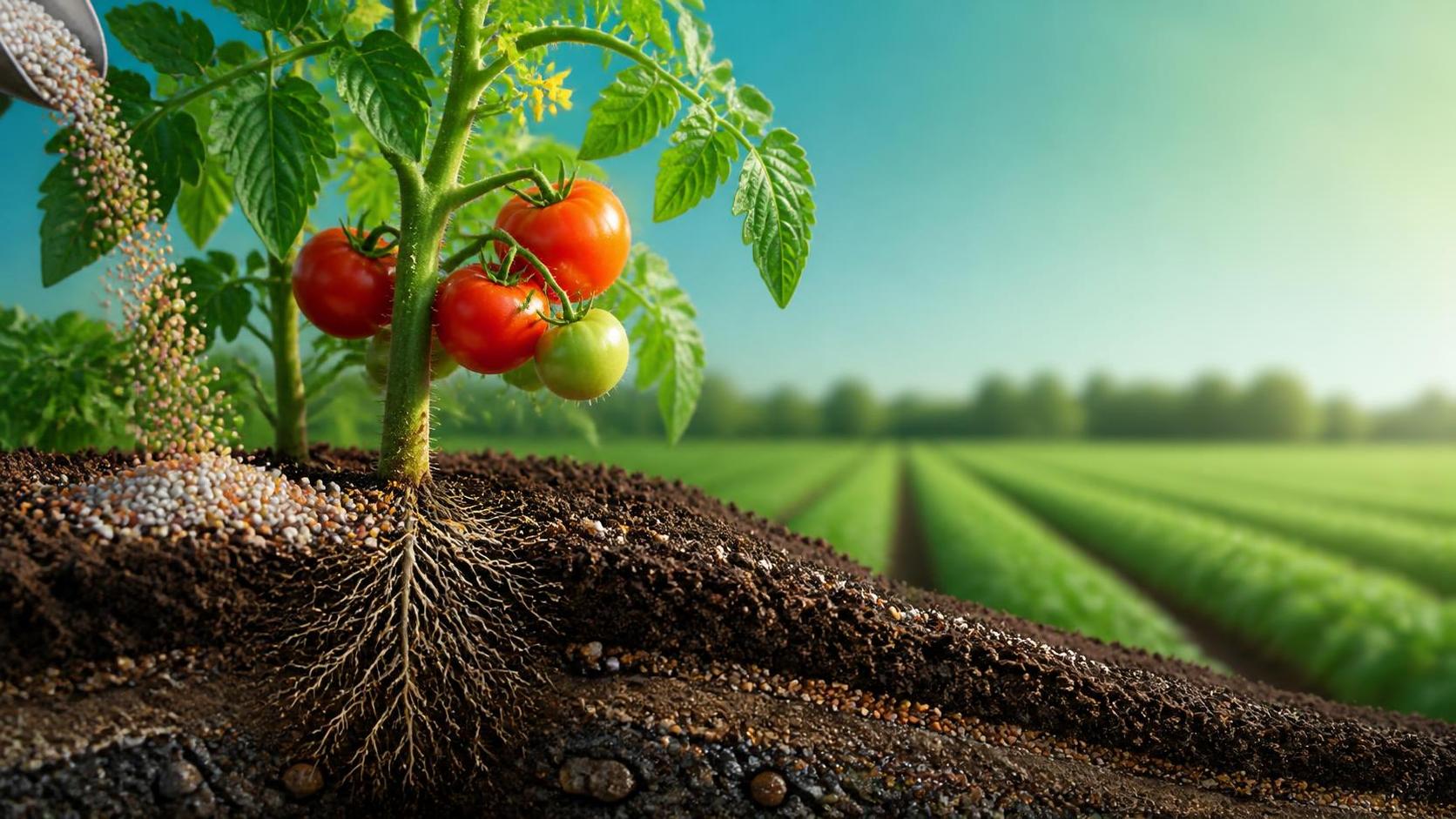
NPK Fertilizer Ratios Explained for Crop Growth Stages and Soil Conditions
Understanding NPK fertilizer ratios is one of the most practical steps a grower can take toward healthier plants and more dependable harvests. Nitrogen Phosphorus Potassium Fertilizers supply the three primary nutrients crops draw on in the greatest amounts, yet the “best” formula is never simply the one with the largest numbers on the bag.
A young tomato transplant, a wheat crop entering tillering, a flowering cucumber vine, and a fruit tree recovering after harvest all have different priorities. Soil matters just as much. A nutrient-rich loam may need only a targeted supplement, while sandy soil with low organic matter often requires smaller, more frequent applications. Learning to read NPK labels gives home gardeners, smallholders, and larger growers a clearer way to match fertilizer to what is actually happening in the field.
What the Three Numbers on an NPK Label Mean
An NPK label such as 10-10-10, 20-10-10, or 5-10-15 shows the percentage by weight of nitrogen (N), phosphorus (P), and potassium (K) in the product.
- The first number is nitrogen. Nitrogen supports leaf growth, chlorophyll production, and the rich green color associated with active vegetative development.
- The second number is phosphorus. Phosphorus contributes to root establishment, energy transfer within the plant, early growth, flowering, and seed formation.
- The third number is potassium. Potassium helps regulate water use, supports stem strength, improves stress tolerance, and plays an important role in fruit quality and crop resilience.
For example, a 100 kg bag of 15-15-15 fertilizer contains 15 kg nitrogen, 15 kg phosphorus, and 15 kg potassium. The remaining material is made up of carrier ingredients and, depending on the formulation, may include secondary nutrients or micronutrients. A 20-10-10 blend does not mean it is “twice as strong” in every way as 10-10-10; it means its nutrient balance is deliberately weighted toward nitrogen.
This distinction is important because applying an unsuitable ratio can lead to disappointing results. Too much nitrogen may produce abundant leaves but fewer flowers or fruits. Excess phosphorus can accumulate in soil where it is not needed, while insufficient potassium may leave plants less able to cope with heat, drought, disease pressure, or heavy fruiting.
Think of NPK as a Changing Crop Requirement, Not a Fixed Recipe
Plants do not need the same nutrient balance throughout their lives. Their needs shift as they move from germination to root development, canopy growth, flowering, fruit filling, and maturity. The most useful fertilizer decision is therefore connected to both the crop stage and the condition of the soil.
Early establishment: roots need a good start
During germination and transplant establishment, crops benefit from conditions that encourage strong root growth. Phosphorus is especially relevant at this stage because it supports early root development and energy processes. A fertilizer with balanced nutrition or a somewhat higher middle number may be suitable where soil testing shows low available phosphorus.
However, more phosphorus is not automatically better. In soils that already contain adequate phosphorus, repeated high-phosphorus applications may add cost without improving plant performance. Cool soils can also limit phosphorus availability even when the nutrient is present, which is why placement, soil temperature, and root health matter alongside the fertilizer ratio.
Vegetative growth: nitrogen takes the lead
Once leafy crops such as lettuce, spinach, cabbage, grasses, and many young field crops begin active growth, nitrogen demand usually rises. Nitrogen encourages new leaves and shoots, which is valuable when building the canopy that will later capture sunlight.
A nitrogen-forward formula, such as 20-10-10 or a comparable ratio, may fit this stage when soil nitrogen is low. But restraint matters. Overfeeding nitrogen can cause soft, overly lush growth, delayed flowering, weak stems, or increased vulnerability to certain pests and diseases. For edible leafy crops, growers should also follow local recommendations and observe proper timing before harvest.
Flowering and fruiting: potassium becomes more visible
When tomatoes, peppers, cucumbers, berries, melons, and flowering ornamentals begin setting buds and fruit, potassium often becomes a central consideration. A formula with a higher third number, such as 10-10-20 or 5-10-15, may help meet demand where soil potassium is limited.
Potassium does not create fruit by itself. Pollination, water management, sunlight, temperature, and crop health still shape the final yield. Yet adequate potassium helps plants move sugars, manage water balance, and maintain sturdier tissue during the demanding reproductive phase. This is why fruiting crops often respond poorly when they receive only repeated doses of high-nitrogen fertilizer.
Bulking, ripening, and late-season support
As grain, tubers, fruit, or other harvestable parts fill out, the goal shifts away from producing unnecessary new leaves. Heavy late nitrogen applications can delay maturity in some crops or encourage green growth at the expense of quality. A well-timed potassium-focused approach may be more appropriate where analysis and crop guidance indicate a need.
At this stage, it is useful to look beyond fertilizer alone. Inconsistent irrigation can limit nutrient uptake; compacted soil can restrict roots; and a crop affected by disease may not respond as expected even to a carefully selected NPK blend.
A Quick Way to Match Ratios to Common Crop Situations
These are starting points, not universal prescriptions. A 10-10-10 product can be useful for a broad range of general garden needs, but it cannot replace an informed nutrient plan when a crop has a clear deficiency, a known soil limitation, or a high-value production target.
Soil Conditions Can Change the Meaning of the Same Fertilizer Ratio
The same bag of Nitrogen Phosphorus Potassium Fertilizers may perform very differently from one property to another. Soil texture, pH, organic matter, drainage, and existing nutrient levels all influence how available the nutrients become to plant roots.
Sandy soils: nutrients move quickly
Sandy ground drains fast and usually holds fewer nutrients than heavier soils. Nitrogen and potassium can leach below the root zone after heavy rain or over-irrigation. Instead of applying a large amount at once, growers often achieve steadier results through split applications: smaller doses delivered at key growth stages.
Organic matter can improve nutrient-holding capacity over time. Compost, cover crops, and well-managed crop residues are not substitutes for all fertilizer needs, but they can make an NPK program more efficient and support healthier soil structure.
Clay soils: reserve nutrients may not equal available nutrients
Clay soils can hold nutrients well, but poor drainage and compaction may limit root activity. A field may test reasonably high in nutrients while plants still struggle because roots cannot access them effectively. Avoid applying fertilizer immediately before waterlogged conditions, and consider drainage, aeration, and soil structure as part of the fertility plan.
Soil pH: the quiet factor behind many nutrient problems
pH affects nutrient availability. In strongly acidic or strongly alkaline soils, phosphorus and several micronutrients can become less available, even if fertilizer has been applied. Repeatedly increasing the NPK rate may not correct a pH-related problem. A soil test can reveal whether lime, sulfur, or another soil-management step should be considered before changing the fertilizer program.
Soils with high organic matter
Ground with substantial organic matter may release nitrogen gradually as organic materials decompose. That can reduce the need for aggressive nitrogen feeding early in the season. Still, release rates depend on temperature, moisture, and microbial activity, so visual crop monitoring and soil testing remain valuable.
Soil Testing Turns Guesswork into Better Decisions
Many fertilizer mistakes begin with a simple assumption: pale leaves must mean nitrogen deficiency, poor flowering must mean a lack of phosphorus, or small fruit must mean more potassium is needed. Sometimes those assumptions are right. Often they are incomplete.
A soil test provides a baseline for pH, phosphorus, potassium, and other important measures. For established commercial crops, tissue testing can add another layer of insight by showing what the plant is actually taking up. Together, these tools help growers avoid applying nutrients that are already sufficient and focus investment where it is likely to matter.
Even for a home vegetable plot, one soil test every few years can be more useful than buying several products based only on label claims. Take samples from multiple spots, mix them properly, and avoid sampling immediately after fertilizer application. The result will be more representative of the growing area.
Application Method Matters as Much as the Formula
Granular fertilizer can be broadcast across soil, incorporated before planting, side-dressed beside growing rows, or placed in bands according to crop needs. Water-soluble products offer fast, flexible feeding but need careful mixing and timing. Slow-release formulations may suit containers, lawns, and crops that benefit from gradual nutrient availability.
Whatever the form, avoid placing concentrated fertilizer directly against seeds, stems, or roots unless the product instructions specifically allow it. Fertilizer burn is a real risk, particularly with young plants and dry soil. Watering after application, when appropriate for the product and crop, can help move nutrients into the root zone.
Check the package directions, calculate the treated area accurately, and remember that a higher-analysis product requires less material per square meter or acre to deliver the same nutrient amount. More product is rarely the answer to slow growth.
Common NPK Fertilizer Misunderstandings
- “A balanced ratio is always safest.” Balanced blends are versatile, but they may supply unnecessary phosphorus or insufficient potassium for a specific soil and crop.
- “Yellow leaves always need more nitrogen.” Yellowing may also result from waterlogging, root damage, iron deficiency, pests, disease, or unsuitable pH.
- “Organic matter means no fertilizer is needed.” Organic inputs improve soil, but nutrient release may not match a crop’s demand at a particular time.
- “Fertilizer works instantly.” Plant response depends on moisture, temperature, root health, nutrient form, and whether the nutrient was truly limiting growth.
- “One formula works for every season.” A crop’s nutritional priorities change, and soils also change through rainfall, harvest removal, and management practices.
Choosing Fertilizer with Product Quality and Supply Reliability in Mind
For end users, fertilizer selection is not only about the ratio. Clear labeling, consistent nutrient content, appropriate packaging, safe storage, and reliable supply all influence whether a product performs as expected. In an increasingly connected chemical trade environment, traceable documentation and responsible handling are particularly important for products that move across regions and markets.
Huafeng Chemical, based in Shandong Province, supports overseas chemical trade through a broad product portfolio and comprehensive export capabilities. While agricultural inputs and pharmaceutical intermediates serve very different end uses, they share a need for careful product identification, compliant documentation, and controlled logistics. For example, its catalog includes Carbamazepine CAS#298-46-4, a pharmaceutical chemical that must never be confused with or used as an agricultural fertilizer. This distinction is worth stating plainly: always purchase crop nutrition products from appropriate agricultural channels and use them only according to their labels.
A More Confident Way to Use NPK
The best NPK ratio begins with a few grounded questions: What crop am I feeding? Which growth stage is it in? What does the soil test show? How well does the soil hold water and nutrients? Has the crop received manure, compost, or previous fertilizer applications?
Answering those questions takes a little more effort than choosing the most familiar bag on the shelf, but it makes fertilizer use more purposeful. Nitrogen supports the green engine of growth, phosphorus helps establish and energize the plant, and potassium strengthens the crop through demanding weather and production stages. When their balance reflects real crop and soil conditions, fertilizer becomes less of a gamble and more of a practical tool for steady, healthy growth.
Send Us Your Inquiry Today
