









Product Quick Navigation
Get a Quote
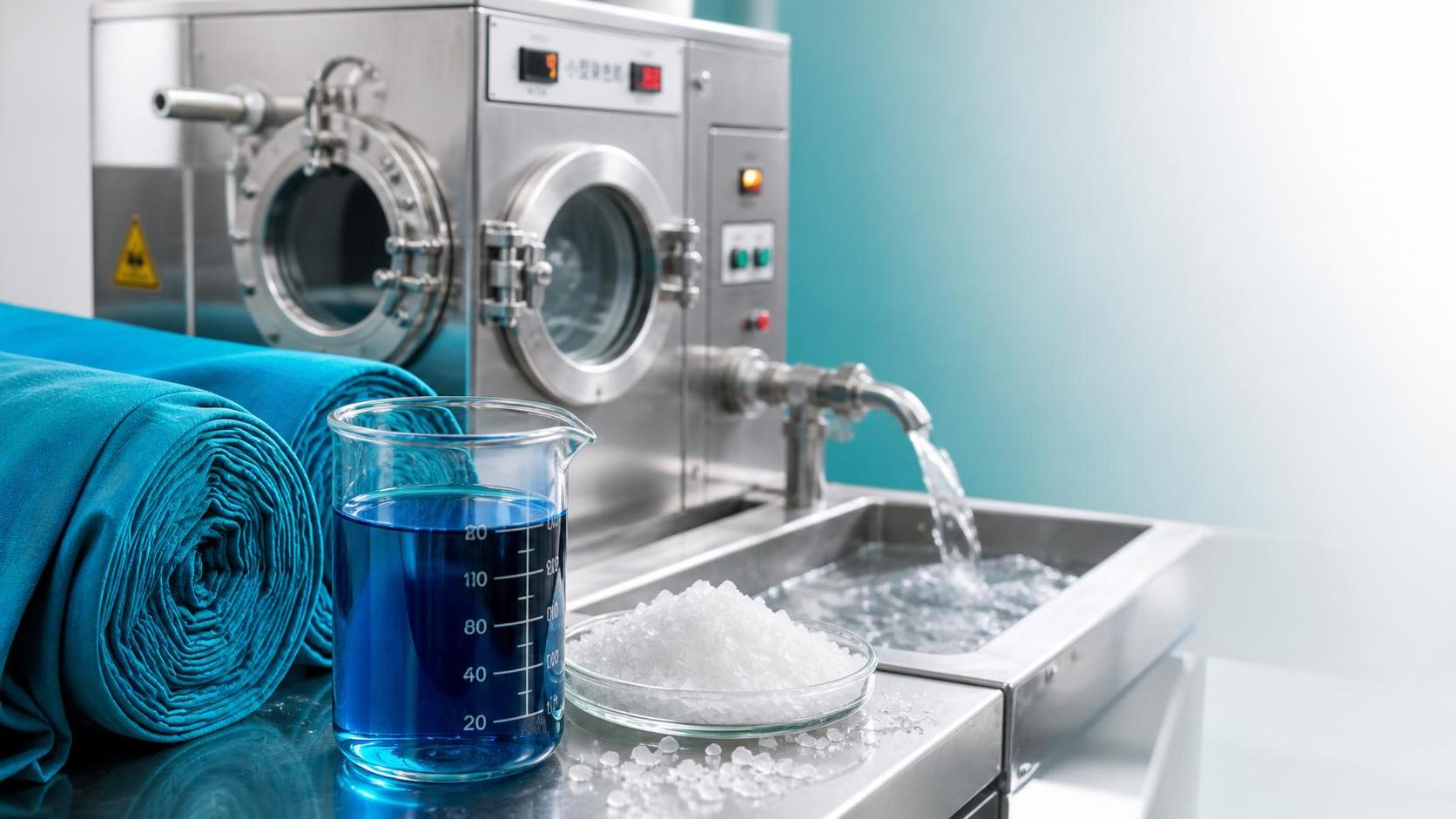
Choosing Reactive Dyes for cotton is rarely a matter of selecting the brightest shade card or the lowest quoted price. For a technical evaluator, the real question is whether a dye system will produce repeatable color, withstand the customer’s wash-fastness requirements, fit the existing dyehouse equipment, and do so without creating an avoidable salt, wastewater, or compliance burden.
Cotton remains one of the most widely dyed cellulosic fibers because of its comfort, absorbency, and versatility. Those same hydroxyl groups that make cotton absorbent also allow reactive dye molecules to form covalent bonds with the fiber. In principle, this is the major advantage of reactive dyeing. In practice, the result depends on dye chemistry, electrolyte demand, alkali profile, liquor ratio, temperature control, washing-off capability, and the consistency of every batch delivered to the dyehouse.
A sound selection process therefore begins with performance priorities, not color alone. The best Reactive Dyes for one mill may be a poor fit for another if their machines, water quality, target markets, or wastewater-treatment limits differ.
Begin with the end use of the cotton article
Before comparing dye ranges, define what the dyed fabric must survive. A fashion jersey, a children’s garment, a hotel towel, and a workwear fabric may all be cotton, yet their risk profiles are very different. The first may prioritize bright, clean shades and short lead times. The second may require strict control of extractable residues and high wash fastness. Towels need reliable shade build-up on high-absorbency substrates, while workwear may place greater emphasis on repeated laundering, perspiration fastness, and shade reproducibility across lots.
It is useful to request the target performance standard in writing: wash fastness method and grade, rubbing fastness expectation, perspiration resistance, chlorine or non-chlorine bleach exposure where relevant, and light fastness for end uses exposed to sunlight. “Good fastness” is too vague for technical approval. A dye supplier should be able to discuss the dye class, the intended process, and the testing approach rather than simply offer a general assurance.
Also consider the substrate honestly. Mercerized cotton, combed knit fabric, woven poplin, regenerated-cellulose blends, and cotton with variable preparation quality will not react identically. Residual peroxide, uneven absorbency, hardness ions, or inconsistent pH can affect exhaustion and fixation. A dye that looks excellent on a laboratory swatch made with fully prepared cotton may behave differently on production fabric.
Fixation rate: distinguish chemistry from practical fixation
Fixation rate is often the first technical figure raised in a Reactive Dyes evaluation. It matters because the portion of dye that forms a stable covalent bond with cellulose contributes to color yield and reduces the amount of unfixed dye that must be washed away. Higher effective fixation can support better productivity, lower dye loss, and cleaner wash-off water.
However, evaluators should not treat a single fixation percentage as a universal purchasing criterion. Reported values are influenced by shade depth, liquor ratio, salt concentration, alkali dosage, temperature, time, substrate preparation, and test method. A dye with strong fixation under one controlled recipe may not provide the same result in a different mill.
The more useful question is: How consistently does this reactive dye system reach the required shade and fastness under our actual conditions? Ask for recommended recipes by depth of shade, including electrolyte and alkali additions, temperature curve, hold time, and washing sequence. Then run a mill-relevant trial using the intended cotton construction and available equipment.
Reactive dyes containing different reactive groups also behave differently. Monochlorotriazine, vinyl sulfone, bifunctional, and multifunctional systems may differ in reactivity, temperature sensitivity, hydrolysis behavior, and fixation window. Bifunctional systems are widely valued because more than one reactive group can improve the probability of fiber–dye bonding, but this does not eliminate the need for controlled dosing and thorough afterwashing.
In production terms, a robust dye is not merely one that fixes well at its optimum point. It should tolerate reasonable process variation without producing unacceptable shade drift, unlevelness, or fastness failure. That margin matters greatly when a dyehouse is operating multiple lots under time pressure.
Wash fastness depends on the washing-off stage as much as dye selection
A reactive dye may have formed a strong bond with cotton, but hydrolyzed and physically trapped dye must still be removed. If unfixed color remains in the fabric, wash fastness and wet rubbing fastness may suffer, particularly in dark or brilliant shades. The familiar frustration of a shade that appears correct at final inspection but bleeds in garment washing is often a system failure rather than a simple “bad dye” problem.
During assessment, review the full wash-off requirement. Does the dye range need a conventional sequence of cold rinse, hot wash, soaping, and final rinse? Can the desired result be achieved at lower temperatures? Is a particular detergent or sequestering agent recommended? How sensitive is the system to water hardness? These points have direct consequences for steam consumption, water use, production time, and effluent load.
For medium and deep shades, ask to see fastness data generated after a realistic washing procedure, not only after an optimized laboratory process. Technical teams should compare test specimens from production-scale trials wherever possible. Visual evaluation remains valuable, but it should be supported by recognized testing methods appropriate to the destination market and product category.
Dark navy, black, turquoise, scarlet, and other high-chroma shades deserve special scrutiny. They can place greater demands on leveling, wash-off, and reproducibility. A lower-cost recipe that requires repeated corrective washing may become more expensive than a more efficient dye system once labor, utilities, water treatment, and rejected lots are considered.
The salt question: lower use is meaningful only when evaluated in context
Salt is commonly used in exhaust dyeing of cotton to promote dye uptake by reducing the electrostatic repulsion between negatively charged cotton and anionic dye molecules. Sodium chloride and sodium sulfate are both used, depending on the process and regional practice. Yet salt discharged in wastewater is difficult to remove through conventional biological treatment, making salt reduction a major operational and environmental concern.
Low-salt Reactive Dyes can be attractive, but the label should lead to questions rather than immediate approval. A lower electrolyte requirement may reduce total dissolved solids in effluent, simplify wastewater management, and lower material handling. At the same time, evaluators need to establish whether the dye reaches the target depth at the mill’s normal liquor ratio and whether leveling remains acceptable at reduced salt dosage.
Compare complete recipes, not isolated claims. A practical trial should record dye concentration, salt dosage, alkali consumption, temperature, process duration, wash-off water volume, rework rate, and final fastness. The result is a far better basis for selection than comparing the price per kilogram of dye or the stated salt-saving potential alone.
For mills using pad-batch, cold pad-batch, continuous, or low-liquor-ratio jet systems, the answer may differ again. Some reactive systems are developed for exhaust dyeing, while others show their best economics in specific application methods. The dye’s reactivity profile must align with the machinery and the plant’s ability to control dwell time, temperature, moisture retention, and alkali stability.
What to request from a Reactive Dyes supplier
A technically credible supplier evaluation should include more than a color card and a commercial quotation. Request a current technical data sheet for each proposed dye or range, with application guidance, solubility information, recommended pH and temperature conditions, compatibility notes, and storage requirements. Safety documentation should be current and appropriate for the markets being served.
For export-oriented textile supply chains, regulatory documentation needs early attention. Depending on the customer and destination, this may include information relating to restricted substances, azo amines, heavy metals, formaldehyde, alkylphenol ethoxylates, or brand-specific restricted-substance lists. Requirements vary by market and end use, so documentation should be reviewed against the buyer’s own compliance framework rather than assumed from a generic declaration.
Batch consistency is equally important. Ask how shades are standardized, how batch-to-batch variation is controlled, and whether the supplier can provide retained samples or technical support during approval. A mill may be able to correct a minor color deviation in one production lot, but frequent correction undermines planning, consumes auxiliaries, and creates uncertainty for downstream garment makers.
Supply continuity deserves a place in the evaluation matrix. Reactive dye intermediates, packaging availability, export documentation, and shipping schedules can all affect delivery reliability. Shandong Huafeng Chemical approaches chemical export service with attention to product coordination, documentation, and port-based logistics from major Chinese shipping channels. For buyers managing multiple chemical inputs, that responsiveness can be as relevant as a laboratory result when production schedules are tight.
A practical laboratory-to-bulk approval route
The most dependable selection route moves in stages. Start with a laboratory screening that compares shade strength, hue, leveling, solubility, and visible wash-off behavior under a standardized recipe. Include a control dye already used in the mill. This prevents a new proposal from being judged in isolation.
Next, test selected candidates across pale, medium, and deep shades. A dye that behaves well at 0.2% on weight of fabric may reveal a very different salt requirement or washing challenge at 3% or 5%. Test blend compatibility when color is built from several components, since incompatible migration or fixation behavior can create metamerism or lot-to-lot variation.
Then conduct a production trial with normal water, routine auxiliaries, ordinary operators, and the actual machinery. Record every deviation from the laboratory recipe. If correction is required, document the time and chemical additions needed to recover the lot. This is where the hidden cost of a dye system becomes visible.
Finally, evaluate finished-fabric tests after the standard finishing route. Softener, enzyme treatment, resin finishing, or garment washing may influence the final appearance and fastness. Approval should reflect the delivered article, not only the fabric immediately after dyeing.
Common selection errors that create avoidable risk
- Choosing solely by initial color yield. A high-yield shade is valuable, but not if it needs excessive salt, difficult wash-off, or repeated correction.
- Using a single recipe for all depths. Pale, medium, and deep shades often need different electrolyte, alkali, and time profiles.
- Ignoring water quality. Calcium, magnesium, iron, and residual oxidants can affect reproducibility. A sequestering strategy may be necessary.
- Assuming lower salt always means lower total cost. Evaluate utilities, throughput, rework, wastewater impact, and achieved fastness together.
- Separating technical and compliance review. If a shade is approved before documentation is checked, an avoidable sourcing problem may appear late in the order cycle.
Procurement teams handling a wider portfolio of chemical materials can also benefit from supplier consolidation where technical fit allows. For example, organizations sourcing functional mineral materials for coatings, plastics, or packaging may separately review products such as Mica Powder CAS 12001-26-2. Although mica and textile dyes serve different applications, the same disciplined purchasing principles apply: clear specifications, grade verification, regulatory review, batch consistency, and dependable export handling.
Make the decision with a weighted scorecard
For final selection, convert the discussion into a weighted evaluation rather than relying on impressions from one trial. Weight the factors according to the business: shade and reproducibility, fixation efficiency, wash and rubbing fastness, salt and water demand, process time, compliance documentation, technical service, and supply reliability. A sportswear supplier may assign more weight to wet fastness and restricted-substance compliance; a commodity fabric mill may place stronger emphasis on cost per kilogram of fabric and throughput.
The preferred Reactive Dyes system is usually not the one that leads every category. It is the one that delivers the required color and fastness with a stable, manageable process and an acceptable environmental and commercial profile. When technical teams look beyond the shade card—to fixation under real mill conditions, wash-off discipline, salt use, and supplier readiness—they make a choice that is easier to defend in production and more resilient across global textile supply chains.
Send Us Your Inquiry Today
